
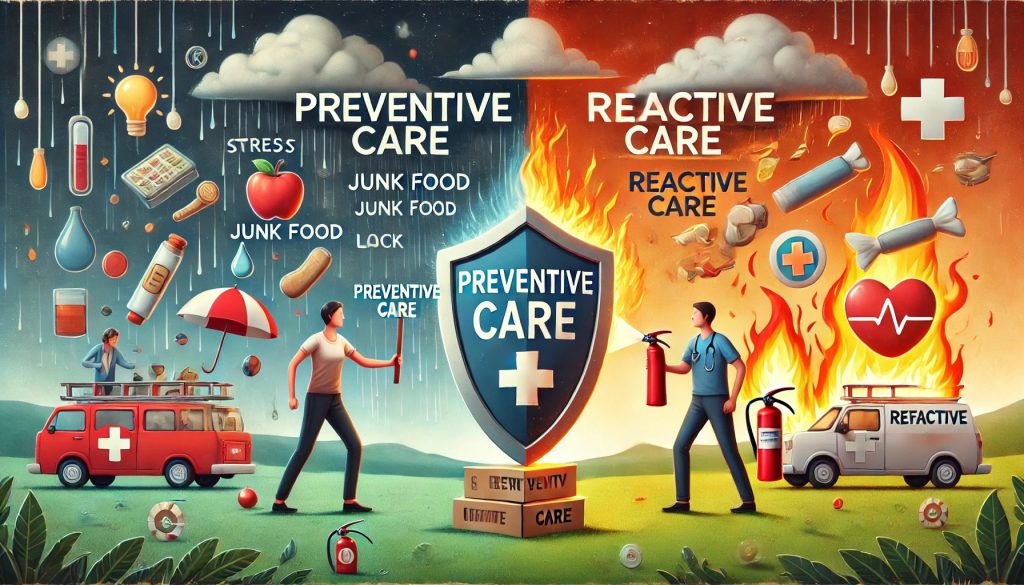
With a growing emphasis on health and well-being, understanding the difference between preventive care vs reactive care is crucial. Preventive care focuses on maintaining optimal health and minimizing the risk of illnesses through regular check-ups and screenings, while reactive care addresses health issues only after they arise, often leading to more complicated treatments. By adopting a preventive approach, you can significantly enhance your quality of life, reduce healthcare costs over time, and avoid potentially serious health complications that can arise from delayed responses to medical conditions.
Understanding Preventive Care
Adopting a proactive approach to health is necessary for long-term well-being. Preventive care focuses on measures taken to prevent diseases and health issues before they occur. This can range from regular check-ups to vaccinations, designed to keep you healthy and detect potential problems early on. (Making the shift from reactive care to preventive care can save you both time and money in the long run.)
Definition of Preventive Care
Preventive care refers to healthcare practices that aim to maintain well-being and reduce the risk of illness. It involves routine screenings, lifestyle adjustments, and proactive measures to address health concerns before they escalate. (This approach allows you to take an active role in your health.)
Types of Preventive Care
Care encompasses various strategies to combat health issues before they arise. The key types of preventive care include:
| Primary Prevention | Measures taken to prevent the onset of a disease. |
| Secondary Prevention | Early detection through screening and testing. |
| Tertiary Prevention | Reducing the impact of an ongoing disease. |
| Behavioral Prevention | Lifestyle changes to improve health outcomes. |
| Environmental Prevention | Addressing external factors that contribute to health issues. |
- Implementing a strong primary prevention strategy can lead to a healthier lifestyle.
- Participating in secondary prevention screenings can significantly enhance your early-detection rates.
- Utilizing tertiary prevention can minimize complications from existing diseases.
- Making behavioral modifications plays a vital role in preventing health issues.
- Creating healthier environmental conditions contributes to overall community health.

Indeed, understanding the types of preventive care empowers you to make informed health choices. Each category plays a unique role in creating a comprehensive health strategy. Emphasizing these preventive measures can drastically alter your health trajectory. Assume that taking these steps today results in significant health benefits tomorrow.
| Routine Check-ups | Essential for detecting health issues early. |
| Vaccinations | Prevent various infectious diseases. |
| Screening Tests | Identify potential health problems. |
| Health Education | Informs better health-management choices. |
| Wellness Programs | Promote lifestyle changes for better health. |
- Regular routine check-ups can provide insights into your health.
- Staying updated on vaccinations is vital for preventive health.
- Participating in screening tests can help detect diseases early.
- Utilizing health education resources can guide you towards healthier choices.
- Joining wellness programs can motivate you towards sustainable lifestyle changes.
Understanding Reactive Care
Clearly, reactive care focuses on addressing health issues after they arise rather than preventing them. This approach often leaves individuals dealing with the consequences of delayed treatment, leading to potential complications and increased healthcare costs. (Choosing to rely solely on reactive care can significantly impact your long-term health outcomes.)

Definition of Reactive Care
Against this backdrop, reactive care refers to medical interventions initiated only after symptoms have developed or a health crisis has occurred. This style of care typically emphasizes treatment over prevention, often resulting in a cycle of managing diseases rather than eliminating their causes. (Understanding the definition of reactive care helps you make informed decisions about your health management strategy.)
Examples of Reactive Care
You may encounter various scenarios exemplifying reactive care, such as visiting a doctor only when you feel unwell or getting treated for illnesses like diabetes after experiencing severe symptoms. Emergency room visits following accidents or sudden illnesses also fall into this category. (Recognizing these examples can be vital in evaluating your approach to healthcare.)
This area of care is marked by its response-oriented nature, which can lead to increased healthcare costs and a lack of focus on wellness. For instance, instead of preventative screenings, you might find yourself seeking care for conditions that could have been avoided altogether. Prioritizing reactive care could leave you in a cycle of treatment rather than ensuring a healthier future. (Shifting your focus toward preventive measures may enhance your overall well-being.)
Key Differences Between Preventive and Reactive Care
Assuming you understand the general concepts, preventive care focuses on avoiding health issues before they arise, promoting overall well-being through screenings and lifestyle advice. In contrast, reactive care focuses on treating conditions only after they have manifested, which often results in more severe health consequences. The primary distinction lies in timing; preventive measures aim for a healthier future, while reactive approaches respond to existing health challenges.
Cost Implications
To evaluate cost implications, you will find that preventive care typically represents a lower long-term financial burden. While it may require upfront investment for screenings and routine check-ups, it can save you significant medical expenses by preventing more serious and expensive health issues down the line.
Impact on Health Outcomes
The implications of health outcomes illustrate a significant difference between these two care types. Preventive care often leads to better overall health and increased life expectancy, whereas reactive care can result in complications that arise from delayed treatment.
However, investing in preventive care addresses health concerns early and enhances your quality of life. When you engage in preventive practices like regular check-ups, early detection of diseases can significantly impact your treatment options and overall prognosis. You are less likely to experience severe health crises and hospitalizations, leading to a healthier, more active lifestyle. In essence, proactive health measures translate to positive outcomes, enabling you to make informed decisions that shape your well-being.
The Role of Preventive Care in Public Health
After recognizing the importance of health, preventive care plays a vital role in enhancing public health by reducing disease incidence through vaccinations, screenings, and health education. This proactive approach not only lowers healthcare costs but also contributes to a healthier population overall.
Community Programs
Any effective public health strategy must incorporate community programs that focus on education, access to services, and resources to encourage healthy behaviors. Furthermore, these initiatives foster a sense of community and support sustainable health improvements for everyone involved (consider collaborating with local organizations to maximize impact).
Individual Health Benefits
To experience the full benefits of preventive care, it is essential to engage in regular health screenings and adopt a healthy lifestyle. This not only boosts your physical well-being but also enhances your mental and emotional health (understanding your risk factors is important to tailor your preventive care plan).
Further, taking proactive steps in your healthcare leads to a significant decrease in the incidence of serious illnesses, enabling you to maintain a more active and fulfilling lifestyle. Engaging in preventive measures, such as regular check-ups and adopting a healthy lifestyle, empowers you to take control of your health and avoid incurring burdensome medical costs later on. It’s important to prioritize regular health assessments to identify potential issues before they escalate.
Challenges in Implementing Preventive Care
Once again, implementing preventive care faces numerous hurdles that can impede its widespread adoption. These challenges include limited resources, varying perceptions of its effectiveness, and the need for systemic changes in healthcare policy. As you examine into preventive care, it’s vital to recognize that both providers and patients must coordinate their efforts to make this approach more accessible and impactful.
Accessibility Issues
Above all, accessibility issues remain a significant barrier in promoting preventive care. Geographic disparities, lack of insurance coverage, and financial constraints can all limit your ability to receive necessary preventive services. Addressing these challenges requires targeted policy decisions to enhance access for underserved communities.
Patient Awareness and Education
By understanding the importance of patient awareness and education, you can empower yourself and others to prioritize preventive care. Effective communication and the dissemination of information regarding preventive services are often lacking, leading to missed opportunities for early intervention. You may not fully appreciate the difference preventive care can make until you are informed.
In fact, higher levels of awareness about preventive care can lead to increased participation in screening programs, vaccinations, and lifestyle changes that enhance overall well-being. When you are educated about the benefits of preventive measures, you are more likely to seek them out, which in turn creates a healthier community. Furthermore, health educational campaigns can significantly influence your choices, leading to improved outcomes for both you and your family. Investing in education not only benefits individual patients but also strengthens the healthcare system as a whole.
Future Trends in Healthcare: Balancing Preventive and Reactive Care
To effectively navigate the future landscape of healthcare, you must recognize the need for a harmonious blend of preventive and reactive care strategies. This balance aims to promote healthier lifestyles while ensuring accessible services for immediate health concerns. Engaging in preventive care can significantly reduce healthcare costs and improve overall patient outcomes, while a robust reactive care framework remains important for addressing acute health issues. By embracing both approaches, you can foster a more sustainable healthcare system in your community.
Innovations in Preventive Strategies
Against the backdrop of rising healthcare costs, innovative preventive strategies are gaining momentum. Developments in technology, such as wearable health devices and AI-driven health assessments, empower you to monitor your health proactively. These advancements facilitate the early detection of potential health issues, enabling timely intervention. (Investing in innovative preventive care can ultimately lead to a more resilient healthcare system.)
Evolving Healthcare Policies
Below the surface of ongoing healthcare reforms is a steadfast commitment to evolving policies that prioritize both preventive and reactive care. Recent legislative changes emphasize the importance of integrating preventive services and health education into the healthcare framework. This shift aims to reduce the burden of chronic diseases while ensuring that you have access to necessary reactive care when needed. By aligning incentives with these values, health systems can create a more comprehensive approach for you as a patient.
And as these policies evolve, it becomes vital for you to stay informed about the shifting guidelines and resources available. For example, initiatives aimed at enhancing community health programs can significantly improve your access to preventive services, while updated reimbursement structures can promote effective reactions to acute situations. Understanding these changes will empower you to advocate for your health and make better-informed choices regarding your healthcare needs.
Conclusion
The comparison between preventive care and reactive care highlights the importance of being proactive about your health. By focusing on preventive measures, you can reduce the risk of illness and improve your overall well-being. Investing in preventive care not only saves you time and money in the long run but also enhances your quality of life. On the other hand, relying solely on reactive care may lead to more significant health issues that require extensive treatment. Ultimately, prioritizing preventive care will empower you to take control of your health and well-being.
Comparing Preventive Care vs Reactive Care FAQs
Q: What is the main difference between preventive care and reactive care?
A: Preventive care focuses on maintaining health and preventing diseases before they occur. It includes routine check-ups, vaccinations, screenings, and lifestyle counseling. Reactive care addresses health issues after they arise, often involving treatments for existing conditions or illnesses. This type of care is typically more focused on managing symptoms and repairing damage rather than preventing future health problems.
Q: Why is preventive care considered beneficial?
A: Preventive care is beneficial because it can lead to early detection of health issues, often resulting in better outcomes and less complicated treatment. It helps individuals maintain their overall health, can save money by reducing the need for extensive treatment, and it promotes a proactive approach to health management. In many cases, it can also improve quality of life by reducing the burden of chronic diseases.
Q: How does the cost of preventive care compare to reactive care?
A: While preventive care may involve upfront costs for services like screenings and vaccinations, it can lead to long-term savings by avoiding more expensive treatments associated with advanced diseases. Reactive care can often be costlier due to emergency interventions and ongoing management of chronic conditions. Individuals may reduce their overall healthcare expenses by investing in preventive care in the long run.
Q: Can preventive care be tailored to individual needs?
A: Yes, preventive care can be personalized based on an individual’s health history, age, lifestyle, and risk factors. Healthcare providers can offer specific recommendations for the most effective screenings, vaccinations, and lifestyle modifications for each person. This tailored approach ensures that preventive measures are relevant and beneficial for the individual’s unique health profile.
Q: What are some examples of preventive care services?
A: Examples of preventive care services include annual physical examinations, immunizations (such as flu and HPV vaccines), cancer screenings (like mammograms and colonoscopies), blood pressure checks, cholesterol testing, and counseling on nutrition and exercise. These services aim to identify potential health issues early and promote overall wellness.

Paul Kohn MBA is a seasoned business consultant known for helping businesses maximize tax credits and incentives to fuel growth and profitability. He holds a Master’s in Business Administration and has helped numerous companies secure millions in tax credits and implement effective business strategies. He is regarded as a trusted authority for business owners seeking to optimize their savings and growth.