
Over time, the costs associated with managing a chronic illness can escalate quickly, affecting not only your health but also your financial stability. By opting for preventative care insurance, you can significantly mitigate these challenges. This type of insurance encourages early detection and proactive management of health issues, ultimately leading to fewer hospital visits and reduced treatment expenses. You’ll benefit from comprehensive screenings and routine check-ups that promote a healthier lifestyle and empower you to take control of your health before conditions worsen.
Key Takeaways:
- Early Detection: Preventative care insurance facilitates regular health screenings, leading to early diagnosis of chronic illnesses, which can significantly improve treatment outcomes.
- Cost-Effectiveness: By reducing the need for extensive treatments and hospitalizations, preventative care insurance can lower healthcare expenses associated with managing chronic conditions.
- Improved Quality of Life: Access to preventative services allows individuals to maintain a healthier lifestyle, reducing the overall impact of chronic illnesses on their daily lives.
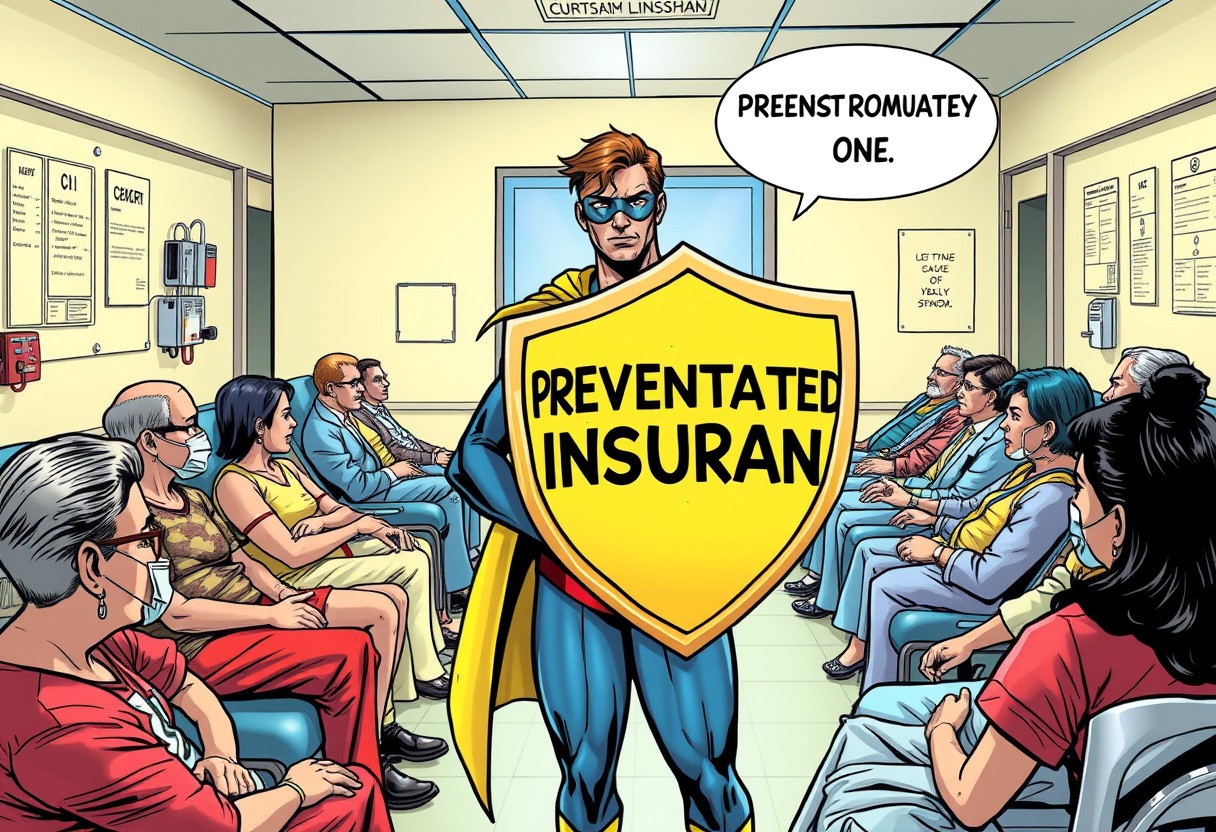
Understanding Preventative Care Insurance
To comprehend the role that preventative care insurance plays, it’s crucial to recognize that it focuses on healthcare services aimed at preventing illnesses before they become severe. By emphasizing early detection and risk reduction, preventative care insurance seeks to improve your overall health outcome while potentially reducing your medical expenses over time.
Definition and Importance
Insurance that covers preventative care is designed to promote your health by addressing risks before they escalate into chronic conditions. This proactive approach not only empowers you to maintain a healthier lifestyle but also significantly lowers the economic burden associated with treating advanced illnesses.
Key Components of Preventative Care
On a broader scale, the key components of preventative care include routine check-ups, vaccinations, screenings, and health education. These services are vital as they help in identifying health risks early and can directly contribute to better health outcomes.
Understanding these components is crucial, as they form the foundation of a proactive healthcare strategy. Routine check-ups allow for monitoring of your health status, while screenings can detect conditions such as cancer or heart disease in initial stages when treatment is most effective. Vaccinations protect against infectious diseases, and health education provides you with the knowledge necessary to make informed lifestyle choices. By integrating these elements into your healthcare routine, you can significantly lower the risk of chronic illness and enhance your long-term wellbeing.
The Impact of Chronic Illness on Individuals
You may not realize that chronic illness can significantly disrupt your daily life. It affects not just your physical well-being but also your emotional health and relationships. Managing the symptoms often requires consistent medical attention, lifestyle adjustments, and sometimes, extensive caregiving, placing a heavy burden on both you and your loved ones. This multifaceted impact underscores the need for adequate support and resources to navigate the complexities that chronic illnesses bring.
Prevalence and Statistics
With chronic illnesses affecting nearly 60% of adults in the United States, their prevalence is hard to overlook. Conditions such as diabetes, heart disease, and arthritis are among the most common, often requiring ongoing medical care and lifestyle changes. These statistics highlight the urgent need for effective preventative care strategies to help mitigate the long-term impacts of these disorders on daily living.
Psychological and Financial Burden
For many, living with a chronic illness means facing not just physical limitations but also significant psychological and financial challenges. The constant management of symptoms often leads to anxiety and depression, compounding the struggles you may encounter. Additionally, the cost of treatment can be overwhelming, with insurance coverage gaps resulting in high out-of-pocket expenses that can threaten your financial stability.
Understanding the psychological impact of chronic illness is crucial, as it can lead to feelings of isolation and despair. The financial burden is equally staggering; you may find yourself facing medical bills, lost wages due to inability to work, and ongoing expenses related to treatments and therapies. Additionally, many individuals experience heightened stress levels, which can exacerbate existing health issues and further impact your quality of life. As you navigate these challenges, it’s important to remember that comprehensive preventative care and support systems can play a vital role in alleviating these pressures.
How Preventative Care Insurance Works
Unlike traditional health insurance that often focuses on treating illnesses after they occur, preventative care insurance emphasizes proactive measures to help you maintain your health. By covering regular health screenings, vaccinations, and wellness check-ups, it aims to detect potential issues early, reducing the risk of chronic diseases becoming more serious. This forward-thinking approach not only supports your well-being but also empowers you to take charge of your health through informed decisions.
Coverage of Preventative Services
Preventative care insurance typically covers a wide range of services designed to detect health issues before they escalate. This includes annual physical exams, immunizations, cancer screenings, and screenings for chronic conditions like diabetes and heart disease. By ensuring you have access to these important services at little or no cost, your insurance supports you in tackling potential health risks head-on.
Cost-Effectiveness and Savings
Preventative care greatly contributes to your overall savings in healthcare costs. By avoiding late-stage interventions, which can be substantially more expensive, you effectively reduce your financial burden in the long run.
Services like annual check-ups and screenings for major diseases can identify health issues early when they are typically easier and cheaper to treat. For instance, managing a condition such as hypertension through regular monitoring and lifestyle adjustments can help you avoid complications that lead to more expensive treatments. With preventative care, you are not only investing in your overall health but also setting yourself up for significant financial savings over time. This proactive strategy reduces the need for emergency care and hospitalizations, allowing your healthcare costs to be much more manageable.
Benefits of Preventative Care for Chronic Illness Management
Not only does preventative care help in identifying potential health concerns early, but it also plays a critical role in managing chronic illnesses. This proactive approach minimizes complications, reduces healthcare costs, and allows you to maintain a better quality of life. By focusing on prevention, you can strengthen your overall health, making chronic illness management more effective and less burdensome.
Early Detection and Intervention
Benefits of preventative care include the ability to identify health issues before they progress. Regular screenings and check-ups ensure that you receive timely information about your health, enabling early intervention. This early action can significantly diminish the severity of chronic illnesses, allowing you to deal with complications swiftly and effectively.
Improved Health Outcomes
Any chronic illness can significantly affect your quality of life, but preventative care can dramatically improve your health outcomes. With regular visits and screenings, you are more likely to receive timely treatment and personalized care plans. This leads to better management of symptoms and a reduction in hospitalizations, empowering you to live a healthier and more active life.
Care provided through preventative measures not only enhances your ability to manage chronic conditions effectively but also fosters a proactive mindset towards your health. By engaging in regular screenings and consultations, you can catch health issues before they escalate, tailoring your lifestyle and treatment options. This approach not only promotes a sense of ownership over your health but also reinforces healthy habits, contributing to long-term wellness. Do not forget, by prioritizing preventative care, you ultimately invest in achieving and maintaining your best health.
Barriers to Accessing Preventative Care
Your ability to access preventative care can be hindered by various barriers that affect both your health outcomes and overall quality of life. These challenges often stem from economic limitations, a lack of awareness, and inadequate education about available resources.
Economic Factors
On top of the challenges you face, economic factors play a significant role in limiting your access to preventative care. These may include:
- High out-of-pocket expenses for health services
- Inadequate insurance coverage for preventative services
- Financial instability affecting your ability to seek care
After considering these factors, it’s clear that financial barriers prevent many from taking advantage of crucial preventative care services.
Awareness and Education
Education is a critical element in your journey towards accessing preventative care. A lack of awareness about preventative services can deter you from seeking treatments that could improve your long-term health.
Understanding the factors influencing your access to preventative care is crucial. Many people may not realize the importance of preventive measures or how to navigate the healthcare system effectively. Without proper knowledge, you may overlook crucial screenings, leading to a riskier health profile. Access to reliable information is necessary for making informed decisions about your health, and education resources can empower you to take charge of your wellbeing.
Policy Implications and Future Directions
Despite the ongoing challenges in managing chronic illness, the integration of preventative care insurance into healthcare policy can significantly shift the landscape. By prioritizing preventative measures, policymakers can reduce healthcare costs, improve quality of care, and enhance overall public health outcomes. Future advancements should focus on legislative frameworks that support widespread adoption, ensuring that preventative care remains an accessible option for everyone.
Legislative Changes
To effectively alleviate the burden of chronic illness, changes to existing healthcare legislation are necessary. This includes expanding coverage for preventative services, enhancing reimbursement policies for healthcare providers, and incentivizing innovative care models that prioritize prevention over treatment.
Enhancing Access to Care
Future developments in healthcare should concentrate on enhancing access to preventative care services. This involves reducing financial barriers, increasing the availability of services in rural and underserved communities, and leveraging technology to facilitate remote consultations and monitoring. By making preventative care more accessible, you can empower yourself and others to manage health proactively, ultimately leading to a decreased incidence of chronic diseases and improved overall well-being.
A holistic approach to enhancing access to care is imperative for maximizing the effectiveness of preventative care insurance. Consider how telehealth services can provide you with more convenience by connecting you with healthcare providers from home, or how community programs can offer free screenings and educational resources tailored to your needs. Additionally, addressing social determinants of health, like transportation and housing, is crucial for ensuring that all individuals can utilize preventative services. By prioritizing these areas, you actively contribute to creating a healthier society with lower chronic illness rates.
Summing up
From above, it is clear that preventative care insurance plays a critical role in alleviating the burden of chronic illness by offering you access to vital medical services before more severe health issues develop. By prioritizing routine check-ups, screenings, and vaccinations, you can identify potential health risks early, leading to timely interventions that can improve your quality of life and reduce overall healthcare costs. Ultimately, investing in preventative care insurance empowers you to take control of your health, enabling you to manage chronic conditions effectively and promote a healthier future.
FAQ
Q: What is preventative care insurance?
A: Preventative care insurance is a type of health insurance that covers services designed to prevent illness and promote health. These services can include routine check-ups, vaccinations, health screenings, and counseling for lifestyle changes. This insurance focuses on early detection and prevention, which can reduce the incidence of chronic illnesses over time.
Q: How can preventative care insurance help manage chronic illnesses?
A: Preventative care insurance can assist in managing chronic illnesses by providing access to regular screenings and early detection methods. Identifying potential health issues before they develop into more serious conditions allows for timely interventions, which can lead to better health outcomes and reduced healthcare costs in the long run.
Q: What are some examples of services included under preventative care insurance?
A: Preventative care insurance typically covers a range of services, including annual physical exams, blood pressure checks, cholesterol tests, diabetes screenings, vaccinations (such as flu shots and shingles), cancer screenings (like mammograms and colonoscopies), and counseling for smoking cessation or diet and exercise improvements.
Q: How does preventative care insurance alleviate financial burdens associated with chronic illnesses?
A: By covering preventative services, this insurance reduces out-of-pocket expenses for patients who might otherwise face high costs for treating advanced stages of chronic illnesses. Regular check-ups and screenings can catch health issues early, minimizing the need for more extensive treatments that can be financially taxing. This proactive approach ultimately leads to a decrease in expensive hospital visits and long-term care needs.
Q: Are there any limitations to preventative care insurance concerning chronic illnesses?
A: While preventative care insurance provides significant benefits, there are some limitations. Not all services may be covered, and some plans may require co-pays for certain screenings or wellness visits. Additionally, there may be specific eligibility criteria, such as age or risk factors, that determine access to certain preventative services. Patients should carefully review their insurance policies to understand the full scope of their coverage.

Paul Kohn MBA is a seasoned business consultant known for helping businesses maximize tax credits and incentives to fuel growth and profitability. He holds a Master’s in Business Administration and has helped numerous companies secure millions in tax credits and implement effective business strategies. He is regarded as a trusted authority for business owners seeking to optimize their savings and growth.