
There’s a growing recognition that preventative care insurance can be a game changer in your approach to personal health. By prioritizing preventive measures over reactive treatments, you can significantly reduce your healthcare costs and enhance your overall well-being. This shift not only empowers you to take charge of your health but also encourages a cultural focus on health awareness and prevention. In this blog post, we will explore how such insurance can pave the way for better lifestyle choices, greater health literacy, and ultimately, a healthier society.
Key Takeaways:
- Enhanced Access: Preventative care insurance can remove financial barriers, enabling more individuals to seek preventive measures, ultimately leading to early detection and treatment of health issues.
- Increased Health Awareness: With a focus on preventive services, individuals are more likely to engage in health education and awareness programs, fostering a culture of prioritizing overall well-being.
- Long-Term Cost Savings: By investing in preventative care, healthcare systems can reduce the long-term costs associated with treating chronic diseases, leading to a more sustainable healthcare model.
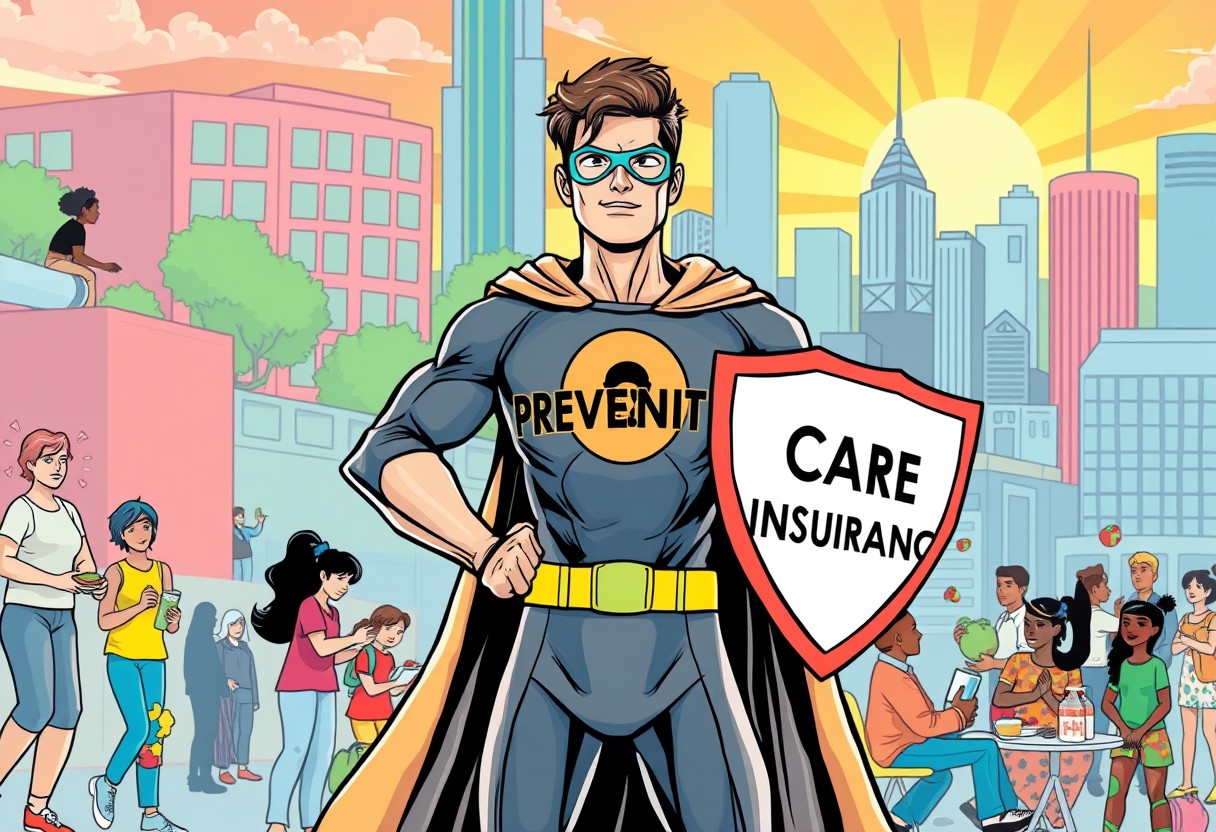
The Concept of Preventative Care Insurance
Your understanding of preventative care insurance is crucial for navigating today’s healthcare landscape. This innovative approach emphasizes proactive measures to prevent illnesses before they arise, shifting the focus from treating conditions to maintaining overall health. By integrating preventative care into insurance policies, you benefit from early intervention, improved health outcomes, and reduced healthcare costs over time.
Definition and Importance
The concept of preventative care insurance revolves around coverage for services that aim to prevent illnesses, such as routine check-ups, vaccinations, and screenings. This model is important because it empowers you to take charge of your health, potentially leading to early diagnosis and treatment of conditions that could otherwise escalate into serious issues. Ultimately, it promotes a healthier population and less strain on healthcare resources.
Key Components of Preventative Care
An effective preventative care strategy includes a range of services designed to detect and prevent health issues before they develop. Key components often encompass routine physical exams, immunizations, cancer screenings, and chronic disease management programs, all aimed at enhancing your well-being.
Importance of these key components cannot be overstated, as they serve as the first line of defense against prevalent health risks. Regular physical exams can help identify risky health trends, while immunizations protect against infectious diseases. Additionally, cancer screenings such as mammograms and colonoscopies can lead to earlier treatment options, significantly increasing survival rates. By prioritizing these services, you not only safeguard your health but also cultivate a culture of wellness and prevention that benefits society as a whole.
The Current State of Health Awareness
One of the most critical aspects of modern healthcare is the varying degree of health awareness among the public. While some individuals actively seek information about preventative care, nutrition, and overall well-being, many others remain uninformed about their health options. This disparity can have significant repercussions, leading to an increase in preventable illnesses and a less proactive approach to personal health.
General Public Perception
On the whole, your perception of health awareness often hinges on the availability and accessibility of information. Misinformation and lack of resources can distort your understanding, with many relying on anecdotal evidence over scientific data. As a result, understanding the importance of preventative care and its benefits may vary greatly from one individual to another.
Barriers to Effective Health Awareness
Health awareness faces numerous barriers that hinder your ability to make informed choices. From socioeconomic disparities to misinformation, these obstacles create a fog of confusion that often leaves you unsure about the best health practices.
Perception plays a crucial role in establishing barriers to effective health awareness. Many individuals are often influenced by misleading information and stereotypes surrounding health topics. Economic factors further complicate your access to reliable healthcare information, as lower-income populations may lack the resources to engage in preventative care practices. Additionally, cultural beliefs and social stigmas can discourage seeking help or understanding the importance of health initiatives. Awareness campaigns must therefore prioritize addressing these barriers to foster a more informed public.
The Role of Preventative Care in Health Awareness
Now, understanding the significance of preventative care is necessary for fostering health awareness in your community. This approach emphasizes proactively managing your health through routine screenings, vaccinations, and lifestyle changes, ultimately leading to better overall wellness. By prioritizing preventative care, you become more mindful of your health needs and risks, transforming how you view healthcare. This shift not only enhances your quality of life but also empowers you to make informed decisions, creating a ripple effect that promotes a culture of health awareness among peers.
Financial Incentives for Health Improvement
One key aspect of preventative care is the financial incentives it offers for health improvement. Insurers frequently provide benefits, such as reduced premiums and lower out-of-pocket costs, encouraging you to engage in regular health screenings and wellness programs. These incentives can motivate you to prioritize your health, which not only leads to personal benefits but can also reduce healthcare costs for communities in the long run.
Educational Initiatives and Outreach
Outreach efforts play a critical role in promoting preventative care, as they equip you with the knowledge necessary to make informed health choices. By participating in community workshops, health fairs, and online webinars, you become better educated about the importance of preventative measures. These initiatives focus on disseminating relevant information, allowing you to understand the risks associated with neglecting your health and the benefits of proactive care.
Awareness programs designed to enhance your understanding of preventative care significantly influence your health behaviors. These initiatives highlight key issues, such as the prevalence of chronic diseases and their connection to lifestyle choices. By providing you with accessible resources and educational materials, they aim to bridge gaps in knowledge and encourage proactive health management. Furthermore, outreach in your community can target at-risk populations, addressing disparities in healthcare access and enabling individuals to take charge of their health. Ultimately, educating yourself and others about preventative care cultivates a more informed society that prioritizes long-term wellness.
Potential Outcomes of a Paradigm Shift
After embracing preventative care insurance, you will witness a dramatic transformation in health awareness that can drive individuals to take charge of their health. This shift encourages a proactive approach, prompting you to seek regular check-ups, screenings, and lifestyle modifications that can effectively enhance long-term wellbeing.
Improved Public Health Metrics
Paradigm shifts in health awareness foster a collective responsibility towards wellness, leading to improved public health metrics. As you prioritize preventative care, you contribute to lowering incidences of chronic diseases and enhancing life expectancy within your community. This renewed focus on early detection and continuous care will ultimately create a healthier population overall.
Reduction in Healthcare Costs
Paradigm shifts towards preventative care insurance also enable a significant reduction in healthcare costs for you and society at large. By investing in preventive measures, you can prevent the need for expensive treatments that often result from neglecting health issues until they become critical.
Understanding the financial implications of this transition is necessary. By prioritizing preventative care, you can significantly decrease the burden of emergency room visits and hospitalizations resulting from avoidable conditions. This proactive approach translates into substantial savings, allowing insurance premiums to decrease over time as healthier populations require less extensive care. Ultimately, this creates a win-win situation, where you not only save money but also promote a culture of health awareness and responsibility.
Challenges to Implementing Preventative Care Insurance
Despite the numerous benefits of preventative care insurance, several challenges hinder its widespread implementation. One major obstacle is the lack of awareness among consumers regarding the importance of preventative care, which often leads to skepticism about the value of such insurance. Additionally, traditional reimbursement models favor reactive care over preventative measures, creating a systemic barrier to adoption. Further complicating the landscape are the financial constraints of healthcare providers, who may struggle to implement the necessary changes to support preventative programs.
Legislative and Policy Considerations
Policy decisions play a crucial role in determining the accessibility and effectiveness of preventative care insurance. Legislation must focus on creating incentives for both individuals and healthcare providers to prioritize preventative measures. Additionally, establishing clear guidelines for coverage and reimbursement can mitigate confusion and encourage more comprehensive participation in preventative care programs.
Socioeconomic Factors
With the growing disparity in healthcare access, socioeconomic factors significantly influence the effectiveness of preventative care insurance. Individuals with lower incomes may find it challenging to afford preventative services, even when covered by insurance. Other barriers include limited access to knowledge and resources related to health and wellness. These factors highlight the glaring inequalities in healthcare systems. Recognizing the need for tailored approaches to education and outreach is necessary for increasing participation rates across all socioeconomic groups.
Insurance plays an integral part in addressing the socioeconomic factors that hinder access to preventative care. To bridge this gap, insurers must focus on creating affordable plans that cater to diverse populations. Moreover, community outreach programs can help raise awareness among underserved populations about the importance of preventative care. Collaboration with local organizations can enhance educational efforts and provide individuals with the necessary tools to improve their health. Recognizing these socioeconomic hurdles is vital for developing effective strategies that ensure equitable access to preventative care for everyone.
Strategies for Enhancing Preventative Care Adoption
All health systems can adopt a multifaceted approach to enhance preventative care adoption. This includes increasing access to screenings, promoting health education, and incentivizing regular check-ups. By fostering a culture that values health maintenance over crisis management, you can empower individuals to take charge of their health and make informed decisions that lead to better outcomes.
Community Engagement and Support
Community engagement is crucial in fostering a culture of preventative care. You can participate in local health fairs, workshops, and educational programs that encourage proactive health behaviors. By involving community leaders and health professionals, you can create a supportive environment that normalizes preventive care, making it an integral part of daily life.
Collaboration Between Stakeholders
Community collaboration among stakeholders is crucial for effective preventative care. You need to understand that partnerships among healthcare providers, local businesses, and governmental entities can significantly enhance access to resources and information. Engaging these groups increases the reach of preventative care initiatives, promoting a united front against health issues.
The collaboration between stakeholders can lead to improved health outcomes by leveraging diverse resources and expertise. You can benefit from initiatives that combine the strengths of local governments, healthcare organizations, and community groups. This alliance enables a broader reach, allowing for tailored programs that meet specific community needs. When stakeholders work together, you witness not just resource sharing, but a stronger voice advocating for preventative policies and increased health literacy. Collectively, these efforts can catalyze a significant shift towards prioritizing preventative care in your community.
Summing up
From above, it is clear that preventative care insurance can significantly catalyze a paradigm shift in health awareness by empowering you to take charge of your well-being. By incentivizing regular check-ups and screenings, this approach encourages proactive health management rather than reactive treatments. As you become more aware of your health status and the benefits of preventive measures, you can make informed choices that promote longevity and reduce healthcare costs. Embracing this model not only enhances your health but also fosters a community-wide understanding of the importance of preventive care.
FAQ
Q: What is preventative care insurance and how does it differ from traditional health insurance?
A: Preventative care insurance is specifically designed to cover services that help prevent illness and promote overall health, rather than just treating existing conditions. Unlike traditional health insurance, which often focuses on reactive care (treating sickness or injury), preventative care insurance encompasses routine check-ups, vaccinations, screenings, and wellness programs. This proactive approach aims to mitigate health issues before they arise, fostering a healthier population and potentially lowering long-term healthcare costs.
Q: How can preventative care insurance catalyze a paradigm shift in health awareness among individuals?
A: Preventative care insurance can significantly enhance health awareness by incentivizing individuals to engage in regular health screenings and preventive services. By removing financial barriers to accessing preventative care, more people may seek out necessary health checks and lifestyle counseling. This shift encourages a culture where individuals prioritize their health, leading to increased awareness about risk factors and more informed decisions regarding their healthcare and lifestyle choices.
Q: What role do employers play in promoting preventative care insurance and health awareness?
A: Employers can play a crucial role in promoting preventative care insurance by offering plans that prioritize wellness and prevention. By integrating these insurance benefits into employee health packages, they can foster a workplace culture that emphasizes health awareness. Additionally, employers can implement wellness programs, health screenings, and incentivized challenges that encourage employees to adopt healthier habits, ultimately leading to a more health-conscious workforce.
Q: What are the potential economic benefits of increased health awareness through preventative care insurance?
A: Increased health awareness through preventative care insurance can lead to significant economic benefits for both individuals and the healthcare system as a whole. By detecting health issues early, individuals may avoid costly treatments associated with advanced illnesses. Moreover, a healthier population can decrease healthcare expenditures and reduce the burden on medical facilities. Collectively, this can contribute to lower insurance premiums, increased productivity, and a reduction in absenteeism, benefiting the economy at large.
Q: What challenges might arise during the transition towards a greater emphasis on preventative care insurance?
A: Transitioning towards a greater emphasis on preventative care insurance may encounter several challenges. These include potential resistance from traditional healthcare providers who may be more accustomed to a treatment-focused model, perceived costs associated with implementing preventative care programs, and a general lack of awareness about the benefits of preventative measures among the public. Additionally, there may be disparities in access to preventative insurance options based on socioeconomic status, which could hinder equitable health outcomes.

Paul Kohn MBA is a seasoned business consultant known for helping businesses maximize tax credits and incentives to fuel growth and profitability. He holds a Master’s in Business Administration and has helped numerous companies secure millions in tax credits and implement effective business strategies. He is regarded as a trusted authority for business owners seeking to optimize their savings and growth.