
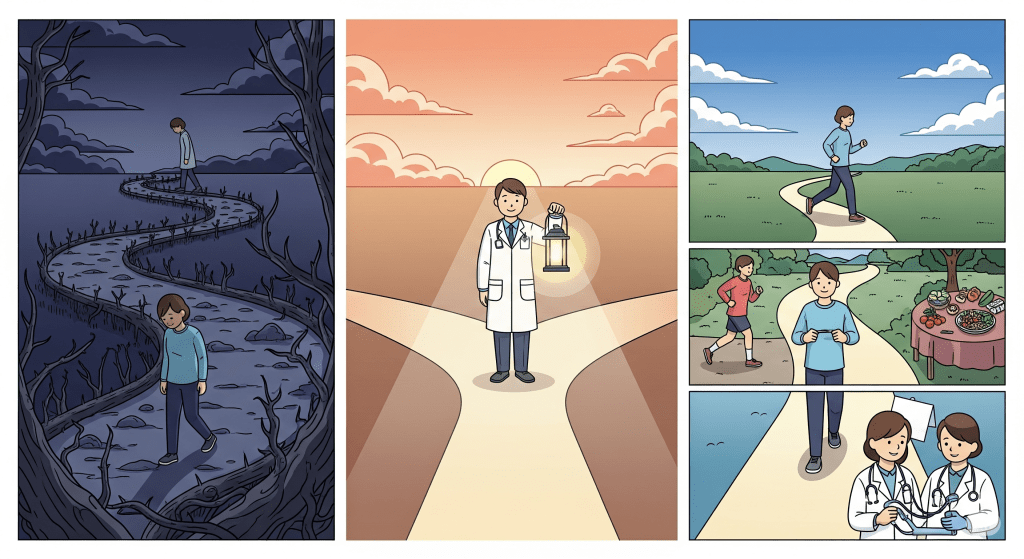
Health misconceptions can lead to dangerous decisions regarding your well-being. Many people believe that preventive care is unnecessary or too costly, but neglecting regular check-ups and screenings can have severe consequences. It’s vital for you to separate fact from fiction so you can make informed choices that positively impact your health. In this post, we will explore common myths surrounding preventive healthcare, helping you understand the actions you truly need to take to safeguard your health and enhance your quality of life.
Understanding Preventive Health Care
Your approach to preventive healthcare can significantly impact your overall well-being. It involves regular check-ups, screenings, and a keen awareness of your health needs to avert potential health issues before they become severe. By prioritizing preventive measures, you can maintain a healthier lifestyle and reduce the risk of chronic illnesses.
Definition and Importance
Before delving into preventive health care strategies, it’s necessary to understand that these practices encompass medical interventions aimed at preventing diseases rather than treating them post-diagnosis. (Investing in preventive health care can lead to substantial long-term savings in healthcare costs and improved quality of life.)
Common Misconceptions
The landscape of preventive healthcare is riddled with misunderstandings that may hinder your participation in these essential practices. Many people erroneously believe that preventive care is only for those with existing health problems or that it’s a waste of time and resources. This leads to the misconception that if you feel fine, there’s no need for preventive measures. In reality, engaging in preventive health care can identify potential health risks early, allowing you to manage them before they escalate into serious conditions.
Additionally, another widespread belief is that preventive healthcare is solely about physical check-ups; it actually encompasses a wide range of activities, including mental health screenings, vaccinations, and healthy lifestyle choices. Neglecting these aspects could result in missed opportunities to improve your health and longevity. Understanding these misconceptions empowers you to make informed health decisions and embrace a proactive approach to your well-being.

Myth 1: Preventive Care is Only for the Sick
Clearly, many people believe that preventive care is unnecessary if they feel healthy. This misconception can lead to neglecting crucial health check-ups and screenings. In reality, preventive care is about maintaining your well-being and detecting potential health issues before they become serious. It’s not solely for those who are unwell, but for anyone looking to sustain their health and longevity.
The Truth Behind Preventive Maintenance
Alongside regular medical check-ups, preventive care encompasses a range of services and screenings designed to prevent illnesses before they develop. Engaging in preventive maintenance allows you to identify risk factors and adopt healthier lifestyle choices, ensuring your body remains in optimal condition. It’s an investment in your health that can lead to a significantly improved quality of life.
Benefits for All Age Groups
Behind every age group lies an opportunity for enhanced well-being through preventive care. From children to seniors, participating in these health initiatives provides tailored health strategies to maintain quality of life at every stage of life.
Care for your health through preventive measures has benefits that can be experienced at any age. Engaging in timely screenings can help detect conditions such as diabetes or cardiovascular disease early. For the younger generation, establishing good habits and routines can promote lifelong health and prevent chronic conditions. As you age, these practices become pivotal in maintaining independence and quality of life, reducing the likelihood of hospitalization, and engaging in healthier habits that enhance your overall well-being.
Myth 2: All Screenings are Necessary
It’s a common misconception that all health screenings are crucial for everyone. In reality, the necessity of a screening depends on factors such as age, medical history, and individual risk factors. Over-screening can lead to unnecessary anxiety, invasive procedures, and excessive expenses, so it’s vital to consult with your healthcare provider to determine which screenings are truly beneficial for your health.
Personalizing Your Preventive Care
At the core of effective preventive care is personalization. Each individual has unique health needs, making it crucial to discuss your health background, lifestyle, and concerns with your healthcare provider. Personalizing your preventive care helps in selecting the right screenings and interventions that suit your specific needs (a consultation can significantly optimize your preventive strategy).
Evidence-Based Recommendations
For maintaining your well-being, it’s crucial to prioritize screenings based on evidence-based recommendations. These guidelines, developed by health organizations, outline which screenings are appropriate for different demographics and health profiles. Following these guidelines enables you to focus on relevant screenings and avoid unnecessary tests (staying informed will help you make better health decisions).
Even with a wealth of information available, navigating preventive health can be complex. Engaging with evidence-based recommendations empowers you to understand what screenings are likely to be effective for your situation, minimizing risks associated with over-testing. Prioritize conversations with your healthcare provider about your specific health needs, as this can lead to a more tailored and beneficial preventive care plan. It’s your health journey, so taking these informed steps is vital for achieving the best outcomes.
Myth 3: Vaccinations are Unnecessary
Remember that vaccines are essential for preventing serious diseases and maintaining your overall health. The misconception that vaccinations are unnecessary undermines the significant progress made in public health. Vaccines have drastically reduced the incidence of once-common diseases, such as measles and polio. Understanding the importance of immunization is vital in safeguarding not only your health but also the well-being of your community.
The Science of Immunization
At the core of immunization lies the body’s remarkable ability to learn and remember through exposure to pathogens, facilitated by vaccinations. These vaccines stimulate your immune system to build a defense against specific diseases, allowing you to avoid contracting the illness itself. The effectiveness of this process is supported by extensive scientific research, which demonstrates that immunizations save lives.
Herd Immunity and Community Health
Community immunity, or herd immunity, is achieved when a significant portion of the population is vaccinated, protecting those who cannot be vaccinated (consider how your vaccination contributes to community health). This phenomenon helps reduce the spread of contagious diseases and keeps vulnerable populations, including infants and those with compromised immune systems, safe.
In addition, achieving herd immunity ensures that even those who are unable to be vaccinated due to medical reasons are shielded from outbreaks. This collective protection highlights the importance of your decision to vaccinate, as high vaccination rates contribute to the overall health of your community. By getting vaccinated, you are not only protecting yourself but also those around you, creating a safer environment for everyone.
Myth 4: Natural Remedies Replace Routine Check-Ups
Once again, many people falsely believe that natural remedies can substitute for routine check-ups. While herbal supplements and other natural treatments may offer some benefits, they should never replace comprehensive evaluations by healthcare professionals. Regular check-ups are crucial for detecting hidden health issues early, enabling timely intervention and prevention. (You should always prioritize check-ups to safeguard your health.)
Limits of Alternative Treatments
Limits of alternative treatments are significant; while they can complement your healthcare routine, they often lack the rigorous testing and scientific backing that conventional treatments provide. It’s essential to recognize that relying solely on these remedies can result in missed diagnoses and delayed care. (Always discuss your treatment plan with your healthcare provider).
The Role of Conventional Medicine
Behind every effective health strategy lies conventional medicine, which is designed to systematically diagnose and treat health conditions based on extensive research. Check-ups offer preventive screenings that can identify early signs of diseases like cancer or diabetes before they become serious. Conventional medicine utilizes advanced technology and medications, ensuring that you receive evidence-based treatments tailored to your individual health needs.
Check-ups not only allow you to have your vital signs monitored but also provide a platform for discussing any health concerns with your physician. This interaction can yield personalized advice and alert you to potential risk factors in your lifestyle. Neglecting to attend routine visits can result in severe health consequences, as certain conditions may develop without noticeable symptoms. Your health is a priority—make sure to utilize both conventional and complementary approaches effectively.
The Importance of Individualized Health Care
Many people overlook the significance of personalized health care in their preventive strategies. Understanding that each individual has unique health needs allows for more effective prevention and management of health issues. When you adopt a tailored approach, you can not only address your specific health risks but also optimize the outcomes of your preventive measures, ensuring you are taking the right steps for your personal well-being.
Tailoring Preventive Strategies to Personal Needs
Care should be taken to customize your preventive health strategies according to your individual health profile. Factors such as age, genetics, lifestyle, and pre-existing conditions all play a role in determining the most effective preventive measures for you. By ensuring that your health plan is tailored to your needs, you enhance your chances of success and overall well-being.
The Role of Healthcare Professionals
At the heart of individualized health care are healthcare professionals who guide you through your preventive health journey. They assess your unique circumstances, provide personalized advice, and help you make informed decisions about your health. (Choosing the right healthcare provider can significantly impact your preventive care experience.) Their expertise empowers you to take proactive steps towards maintaining your health while navigating potential challenges along the way.
Tailoring your preventive strategies with the support of healthcare professionals ensures efficient monitoring of your health status over time. They can help you pinpoint high-risk areas and suggest interventions to address them. Engaging in regular consultations not only allows for early detection of issues but also adaptation of your health plan as needed. (Effective communication with your provider is crucial for establishing a successful health care partnership.)
Summing up
The myths surrounding preventive health care can lead to confusion and misguided choices about your health. You deserve accurate information to make informed decisions. By understanding what preventive care truly entails and recognizing the importance of regular check-ups, vaccines, and screenings, you can effectively safeguard your health. Always consult healthcare professionals to tailor preventive strategies that best suit your individual needs, ensuring you are equipped with the right knowledge to enhance your well-being.
FAQ
Q: What is preventive health care and why is it important?
A: Preventive health care focuses on measures taken to prevent diseases or injuries rather than treating them after they occur. It’s important because it helps individuals maintain better health over time, reduces the risk of chronic conditions, and can lead to cost savings by catching health issues early.
Q: Are all preventive health care measures effective for everyone?
A: No, not all preventive measures are equally effective for every individual. Factors such as age, gender, family history, and lifestyle choices can influence the effectiveness of preventive health care. Therefore, it’s important to consult with healthcare professionals to determine which measures are best suited to your personal health profile.
Q: Is preventive care only about regular check-ups and screenings?
A: While regular check-ups and screenings are vital components of preventive care, they are not the only aspects. Preventive health care also includes lifestyle interventions such as nutrition, exercise, vaccinations, and education on avoiding harmful behaviors, which all contribute to overall health and well-being.
Q: Do preventive health services have risks involved?
A: While preventive health services are generally safe, like any medical intervention, they can carry some risks. For example, certain screenings may lead to false positives, unnecessary stress, or invasive follow-up procedures. It’s imperative to weigh the benefits and risks of preventive measures with a healthcare provider.
Q: Can I rely solely on preventive care to stay healthy?
A: Preventive care is a vital part of maintaining health, but it should not be the only approach. A comprehensive health strategy also includes regular physical activity, balanced nutrition, mental health awareness, and managing existing health conditions. Combining preventive measures with a healthy lifestyle is imperative for optimal health outcomes.

Paul Kohn MBA is a seasoned business consultant known for helping businesses maximize tax credits and incentives to fuel growth and profitability. He holds a Master’s in Business Administration and has helped numerous companies secure millions in tax credits and implement effective business strategies. He is regarded as a trusted authority for business owners seeking to optimize their savings and growth.