

You can access free preventive care through your insurance plan, ensuring that you prioritize your health without financial burden. Under the Affordable Care Act, many insurance policies cover vital services such as annual check-ups, vaccinations, and screenings at no cost to you. To benefit, you must utilize an in-network provider and follow specific guidelines set by your insurance plan. Understanding these requirements allows you to maximize your benefits and maintain your well-being, so it’s important to take full advantage of the preventive care options available to you.
Understanding Preventive Care
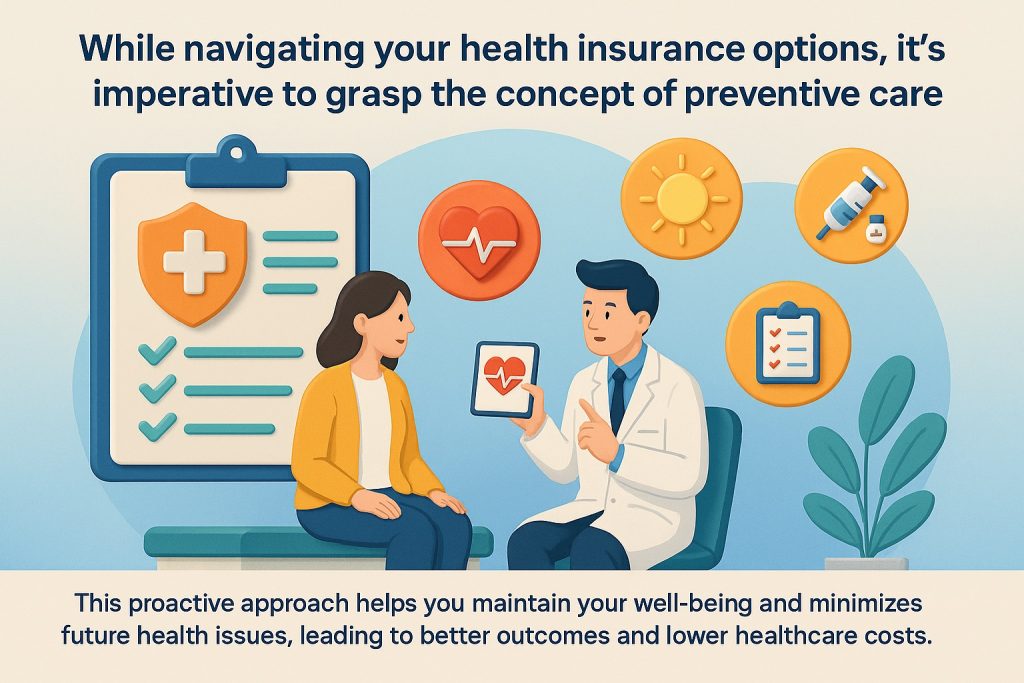
When navigating your health insurance options, it’s essential to understand the concept of preventive care, which focuses on services designed to prevent illnesses before they occur. This proactive approach helps you maintain your well-being and minimize future health issues, resulting in better outcomes and lower healthcare costs.
Definition of Preventive Care
Among the various types of healthcare services, preventive care encompasses routine check-ups, screenings, dental care, and counseling aimed at disease prevention. (Understanding this distinction can help you utilize your insurance benefits effectively.)
Importance of Preventive Services
Along with managing existing health conditions, preventive services play a significant role in detecting potential health issues early when they are often more treatable. (This awareness can empower you to take charge of your health and ensure timely interventions.)
This proactive stance in healthcare not only enhances your quality of life but also reduces long-term healthcare expenses. Engaging in preventive care allows you to detect and address issues, avoid risks, and ultimately leads to a healthier, more fulfilling life. (By prioritizing these services, you are making a positive choice for your future health.)

Insurance Plans and Preventive Care
It is crucial to understand how different insurance plans incorporate preventive care. Most plans, especially those compliant with the Affordable Care Act (ACA), cover a variety of preventive services at no cost to you. This means you can take advantage of screenings, vaccinations, and annual check-ups without worrying about copays or deductibles, enabling you to stay proactive about your health.
Essential Health Benefits
One of the key components of health insurance is the inclusion of Essential Health Benefits, which outlines the minimum services that health plans must cover. These benefits typically include preventive services, mental health support, prescription medications, and several other benefits. By understanding what is included, you can better navigate your plan and maximize offerings to safeguard your health.
Types of Insurance Plans Offering Free Preventive Care
Any health insurance type may offer free preventive care, but some plans are particularly designed to emphasize this benefit. Here are some of the plan types that commonly provide free preventive services:
- Employer-sponsored plans
- Marketplace insurance plans
- Medicaid plans
- Medicare plans
- Children’s Health Insurance Program (CHIP)
| Plan Type | Preventive Care Covered |
| Employer-sponsored plans | Annual check-ups, vaccinations |
| Marketplace insurance | Cancer screenings, prenatal visits |
| Medicaid plans | Well-child visits, immunizations |
| Medicare plans | Yearly wellness exams, screenings |
The detailed types of insurance plans mentioned above can significantly impact the level of preventive care you receive at no cost. It’s crucial to carefully assess your options to ensure you’re getting valuable services that could prevent future health problems and save you money. Make sure to review your policy or contact your provider to clarify what preventive services are available.
- In-network providers
- No copayments
- Comprehensive screenings
- Wellness visits
- Annual check-ups
| Type of Service | Example |
| Immunizations | Flu shot |
| Cancer screenings | Colorectal screening |
| Annual visits | Physical examination |
| Children’s screenings | Developmental assessments |
Additionally, many insurance plans encourage preventive care by offering free or low-cost services that aid in early detection of health issues. This insight not only helps you maintain health but also promotes a proactive approach, potentially saving you from high healthcare costs in the future. Ensure you utilize these benefits effectively to maintain overall wellness.
Eligibility for Free Preventive Services
Even if you have insurance, you may wonder about your eligibility for free preventive services. Most health plans under the Affordable Care Act (ACA) offer these services without cost-sharing, which means you don’t have to pay a co-pay or deductible. However, eligibility can depend on the type of insurance you have and whether it complies with ACA standards, so always check with your provider to ensure you’re covered.
Age and Gender Considerations
With preventive services, your age and gender play significant roles in what is covered. For instance, women may be eligible for specific screenings such as mammograms, while men may have access to prostate examinations. Understanding these distinctions can help you make informed decisions about your health care options.
Specific Preventive Services Covered
Behind the umbrella of free preventive services are specific offerings that can greatly benefit your health. These may include screenings, counseling, and vaccinations, tailored to various needs and health risks. For example, you might receive blood pressure screening, cholesterol tests, or immunizations without any out-of-pocket expenses.
However, please note that the list of covered services may vary based on your age, gender, and individual health needs. Essential services, such as cholesterol screenings and diabetes tests, may not be applicable to everyone. For age-based services, younger individuals may access immunizations, while older adults may undergo screenings for cancer. To ensure you’re taking full advantage of free preventive care, consult your insurance plan for a detailed list of what is specifically available to you.
How to Access Preventive Care
Many individuals find obtaining preventive care easier than they initially thought. To access these services, start by contacting your insurance provider to understand the specifics of your coverage, including any applicable costs. Typically, these services include routine check-ups, vaccinations, and screenings that help in early detection of health issues, which can save your life and finances in the long run.
Finding In-Network Providers
Access to preventive care is streamlined when you choose in-network providers. Most insurance plans maintain a directory of healthcare professionals who accept your insurance, ensuring that you receive your preventive services at no extra cost. You can often find this list on your insurance company’s website or by calling their customer service.
Scheduling Appointments
The next step is to feel empowered to schedule appointments for your preventive care. Utilizing online scheduling tools or calling the provider directly can help secure your spot, especially for popular services. By making preventive care a priority, you take the necessary steps to maintain your health. (Booking appointments ahead ensures you don’t miss out on vital check-ups.)
This process becomes more manageable when you keep track of recommended schedules for your age and health needs. Ensure that you are aware of what preventive services your policy covers and which ones require prior authorization. (Being proactive in your health can lead to more personalized care and better outcomes.)
Overcoming Barriers to Access
Your journey to obtaining free preventive care under insurance can be hindered by various barriers. These obstacles may include a lack of awareness about your benefits, complex healthcare systems, or even geographical limitations that restrict access to services. Understanding these barriers is the first step in ensuring you can utilize the preventive care available to you without unnecessary hassle.
Common Challenges
Common challenges include misunderstanding your insurance coverage, which can lead to missed opportunities for preventive care. Additionally, scheduling difficulties and transportation issues may further complicate access, preventing you from receiving important health services.
Solutions and Resources
In response to these challenges, seeking out available resources can significantly enhance your access to preventive care. Utilizing online platforms such as your insurance company’s website, local health department resources, and community organizations can provide necessary information and assistance.
For instance, many insurance companies offer online portals where you can review your preventive care benefits and find in-network providers. Community health centers often provide additional services and information, while local health departments can guide you to free or low-cost health screenings. Utilizing these resources and maintaining open communication with your provider enables you to effectively navigate barriers to accessing free preventive care, ensuring your health remains a priority.
Maximizing Your Preventive Care Benefits
To truly maximize your preventive care benefits, it is essential to familiarize yourself with the services covered by your insurance plan. This means not only understanding what screenings, vaccines, and check-ups are included but also scheduling them according to recommended timelines. By taking full advantage of these benefits, you can safeguard your health while minimizing out-of-pocket costs.
Keeping Track of Services Used
Above all, you must keep meticulous records of the preventive services you utilize throughout the year. This includes noting dates, types of services received, and any associated paperwork or referrals. Staying organized will help you accurately report your usage, which can impact your healthcare decisions and future appointments. (This will also help you avoid unexpected charges later.)
Staying Informed on Coverage Changes
Maximizing your preventive care benefits also means staying informed about any changes to your insurance coverage. Health insurance policies can change annually, and it’s your responsibility to keep up with new developments that may affect the services you are entitled to receive.
Take care of your overall health by actively seeking updates from your insurance provider. Visit their website, read their newsletters, or even call for clarifications on any changes. By being proactive, you can ensure that you fully utilize your benefits, avoiding any surprises that could limit your access to vital preventive care services. Neglecting to stay informed could result in increased out-of-pocket costs or missing out on necessary screenings entirely.
Conclusion
To wrap up, obtaining free preventive care under your insurance is straightforward when you understand your policy. Start by reviewing your plan’s benefits and look for services that are covered without a copay, such as annual check-ups, vaccinations, and screenings. Don’t hesitate to contact your insurance provider for clarification on what is included. By staying informed and utilizing these services, you can proactively manage your health without incurring additional costs.
FAQ
Q: What is preventive care and why is it important?
A: Preventive care refers to health services that are designed to prevent illnesses, diseases, and other health issues before they occur. This includes screenings, immunizations, and annual check-ups. Engaging in preventive care is beneficial because it helps identify health problems at an early stage, leading to more effective treatment and can promote overall well-being.
Q: How can I determine if my insurance plan covers preventive care?
A: To find out if your insurance plan covers preventive care, you can review your policy documents or member handbook, which usually outlines covered services. Additionally, contacting your insurance provider directly can provide clarity on specific preventive services and any requirements or limitations that may apply.
Q: What types of preventive services are typically covered by insurance?
A: Insurance coverage for preventive services often includes vaccinations, screenings for conditions like high cholesterol or diabetes, mammograms, Pap tests, colonoscopies, and annual physical exams. The specific services that are covered can vary by plan and are often influenced by guidelines set forth by health authorities.
Q: Are there any costs associated with preventive care under insurance plans?
A: Most insurance plans that comply with the Affordable Care Act cover preventive services at no cost to you, meaning no copay, coinsurance, or deductible. However, it is important to confirm that the provider you choose is in-network and that the services rendered qualify as preventive under your specific plan to avoid unexpected charges.
Q: How can I access preventive care if I do not have insurance?
A: If you do not have insurance, you still have options for accessing preventive care. Many community health centers and non-profit organizations offer low-cost or sliding-scale services. Additionally, some states have public health programs that provide preventive services. Exploring these alternatives can help you maintain your health even without insurance coverage.

Paul Kohn MBA is a seasoned business consultant known for helping businesses maximize tax credits and incentives to fuel growth and profitability. He holds a Master’s in Business Administration and has helped numerous companies secure millions in tax credits and implement effective business strategies. He is regarded as a trusted authority for business owners seeking to optimize their savings and growth.