
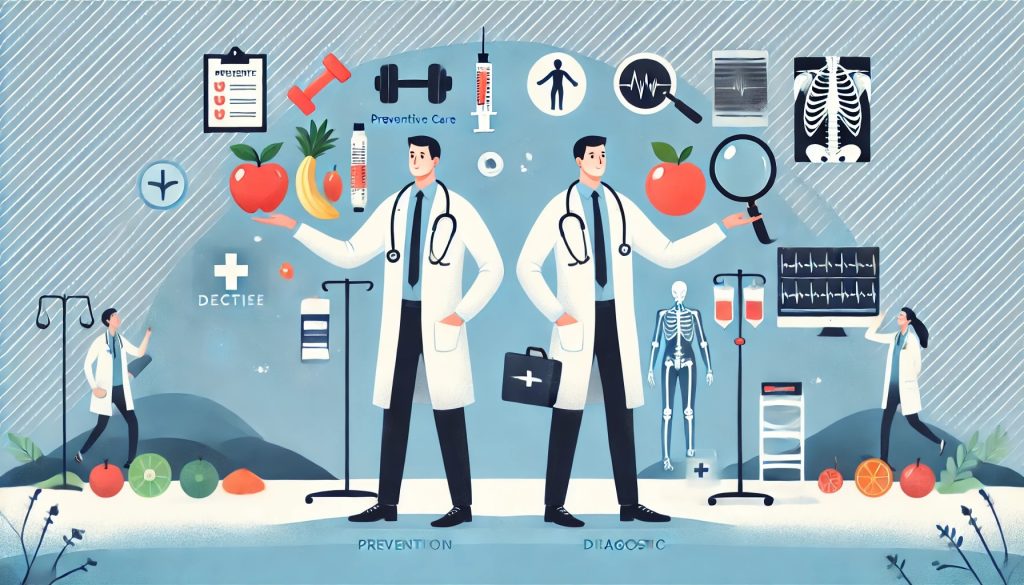
Understanding the difference between preventive care vs diagnostic care can significantly impact your health outcomes over time. Preventive care focuses on avoiding illness through screenings, immunizations, and lifestyle advice, whereas diagnostic care involves identifying and treating existing health issues. Knowing when to seek each type of care is crucial to maintaining your well-being and addressing health problems promptly. In this article, we will examine the distinct roles of both preventive and diagnostic services, enabling you to make informed decisions for your healthcare journey.
Definition of Preventive Care
Preventive care refers to measures taken to prevent diseases or health issues before they occur. It focuses on maintaining health and well-being through regular check-ups, vaccinations, and screenings. By actively engaging in preventive care, you can significantly reduce your risk of developing serious health complications and enhance your overall quality of life.
Types of Preventive Care
- Primary Prevention: Aims to avoid disease before it occurs.
- Secondary Prevention: Focuses on early detection and intervention.
- Tertiary Prevention: Involves managing and reducing the impact of ongoing diseases.
- Behavioral Prevention: Targets lifestyle choices to improve health.
- Immunizations: Vaccines to prevent infectious diseases.
Understanding these types can empower you to make more informed health choices.
| Type of Preventive Care | Description |
|---|---|
| Primary Prevention | Avoids the onset of disease. |
| Secondary Prevention | Early disease detection. |
| Tertiary Prevention | Management of long-term health issues. |
| Behavioral Prevention | Focus on lifestyle changes. |
| Immunizations | Protect against infectious diseases. |
Importance of Preventive Care
Behind every effective health strategy lies the significance of preventive care. Engaging in preventive measures not only enhances your longevity but also ensures you maintain a better quality of life. (Your health decisions today can shape your future.)
Additionally, investing time in preventive care activities, such as regular check-ups and adopting a healthy lifestyle, empowers you to avoid serious health risks. The impact of preventive healthcare is profound, resulting in lower medical costs and fewer severe illnesses. (Actively participating in your health journey means you can potentially avoid costly treatments down the line.)

Definition of Diagnostic Care
While preventive care focuses on maintaining your health, diagnostic care serves to identify and understand specific health issues that arise after symptoms appear. This type of care involves various tests and assessments tailored to confirm or rule out medical conditions. Proper diagnostic care is essential for receiving the right treatment and achieving better health outcomes.
Types of Diagnostic Tests
While many types of tests exist, choosing the right one can significantly impact your medical journey. (Always consult your healthcare provider for recommendations.) Here are some common types of diagnostic tests:
- Blood Tests
- X-rays
- MRIs
- CT Scans
- Ultrasounds
The choice of diagnostic tests can lead to better health management.
Importance of Diagnostic Care
Types of diagnostic care include various methods that are imperative for accurately determining your health status. With robust diagnostic systems in place, healthcare professionals can effectively diagnose conditions, enabling timely interventions, improved recovery rates, and enhanced medical outcomes. Comprehensive diagnostic evaluations provide the groundwork for personalized treatments, directly influencing your quality of life.
The importance of timely diagnostic care cannot be overstated. It allows you to uncover underlying health issues that may not be apparent through symptoms alone, leading to early detection of serious illnesses such as cancer or diabetes. Early intervention not only enhances the effectiveness of treatment but also broadens your options for healthcare solutions. Moreover, understanding your health status can foster proactive lifestyle changes, reducing long-term medical risks.
Key Differences Between Preventive and Diagnostic Care
There’s a clear distinction between preventive and diagnostic care, each serving a unique purpose in your healthcare journey. Preventive care focuses on maintaining your health and preventing diseases before they occur, while diagnostic care centers on identifying illnesses or conditions that are already present. Understanding these differences helps you make informed decisions about your healthcare needs.
Purpose and Goals
Preventive care aims to maintain overall wellness and detect health issues early, allowing for timely interventions. On the other hand, diagnostic care aims to identify the underlying cause of symptoms or health issues to develop a targeted treatment plan. Both approaches are vital to long-term health outcomes.
Timing and Application
With preventive care, you typically receive services during routine check-ups and screenings before any symptoms arise. In contrast, you may seek diagnostic care when experiencing specific symptoms or concerns that require investigation. (Understanding when to seek each type of care can significantly impact your health management.)
However, it’s essential to acknowledge that the timing and application of these services can vary significantly. Preventive measures, such as vaccinations and annual physical exams, are designed to keep you healthy and catch potential issues early. Diagnostic tests, such as MRIs or laboratory tests, are used after symptoms appear, targeting specific health concerns. (Successfully navigating this dual approach can improve your overall health outcomes.)
Benefits of Preventive Care
Your commitment to preventive care not only protects your health but also enables you to lead a more fulfilling life. Engaging in routine check-ups, vaccinations, and screenings can help identify potential health issues early. By focusing on prevention, you enhance your well-being, reducing the risk of chronic diseases that can significantly impact your quality of life.
Long-term Health Impact
One of the most significant advantages of preventive care is its ability to promote healthier long-term outcomes, which can be beneficial for both your health and that of your family. Engaging in regular check-ups and screenings allows you to stay ahead of potential health issues, enabling early intervention that drastically improves your overall health trajectory. This proactive approach empowers you to maintain your well-being and potentially avoid debilitating conditions.
Cost-effectiveness
A crucial aspect of preventive care is its cost-effectiveness. Investing in preventive services often results in substantial savings by minimizing the need for more expensive treatments due to advanced illnesses. Allocating resources to preventive measures can significantly alleviate financial strain when facing health challenges. (Assessing your healthcare budget with a focus on preventive care can lead to smarter financial decisions.)
As you consider the value of preventive care, remember that the benefits often outweigh the initial costs. Preventive services can lead to reduced hospitalization rates and lower medical expenses in the long run. By prioritizing your health today, you are saving both time and money while enhancing your lifestyle. (Evaluating the long-term financial impact of your health choices is vital for making informed decisions.)
Cases Where Diagnostic Care is Essential
There are specific situations in which diagnostic care becomes a fundamental part of your healthcare journey. When symptoms arise that you cannot explain or when health issues worsen, seeking diagnostic care ensures that underlying conditions are accurately identified and managed. This tailored approach can lead to effective treatments and prevent further complications.
Disease Symptomatology
Your body communicates potential health issues through various symptoms. Understanding these symptoms is vital for seeking the appropriate diagnostic care. Conditions like unexplained weight loss, chronic headaches, or sudden changes in mood warrant immediate attention to determine their underlying causes, leading to timely interventions.
Situational Necessity
At times, specific situations demand immediate diagnostic care. Accidents, sudden illnesses, or emerging health crises can escalate if you delay in seeking medical assistance. Accessing diagnostic care in these moments can facilitate rapid and effective treatment strategies from healthcare professionals, enhancing your chances for a positive outcome.
Symptomatology plays a crucial role in determining when you require diagnostic care. If you experience persistent abdominal pain or episodes of dizziness, it’s important to act promptly. Such symptoms could indicate serious underlying conditions that require immediate investigation. Early diagnostics in critical situations can lead to swift interventions, significantly improving your prognosis. You owe it to yourself to ensure your symptoms are properly evaluated and treated to avoid complications.
Integrating Preventive and Diagnostic Care
Not only does integrating preventive and diagnostic care provide a comprehensive approach to health, but it enhances patient outcomes. By combining both strategies, you can identify potential health risks early and intervene before they develop into serious issues, thus improving your overall well-being. (Your health journey will benefit from understanding this integration.)
Overview of Holistic Health Approaches
Above all, holistic health approaches emphasize the connection between your physical, emotional, and mental well-being. Integrating preventive and diagnostic care aligns with this philosophy, enabling you to take charge of your health and make informed decisions. (Choosing a holistic approach can transform your understanding of health management.)
Patient Education and Awareness
Preventive care hinges on effective patient education and awareness. You should be informed about lifestyle choices, risk factors, and the importance of regular health check-ups for catching conditions early. Educating yourself empowers proactive health management. (Being educated about your health leads to more informed decisions regarding your care.)
Due to the rapid pace of medical advancements, it is essential to stay informed about your health options. Patient education is vital to understanding preventive measures like vaccines and screenings, which can significantly reduce health risks. Becoming an informed patient enhances your ability to navigate the healthcare system effectively, resulting in better health outcomes and lower healthcare costs. (Your proactive involvement can make a significant difference in your long-term health.)
Conclusion
Drawing together the concepts of preventive care vs diagnostic care, you must recognize their distinct yet complementary roles in your overall health management. Preventive care focuses on avoiding health problems before they arise, allowing you to maintain well-being, while diagnostic care centers on identifying and treating conditions that have already developed. By incorporating both approaches into your healthcare routine, you empower yourself to achieve better health outcomes and support your long-term wellness effectively.
Preventive Care vs Diagnostic Differences FAQs
Q: What is the main difference between preventive care and diagnostic care?
A: Preventive care focuses on measures taken to prevent illnesses or diseases before they occur, such as vaccinations, screenings, and regular check-ups. In contrast, diagnostic care focuses on identifying and understanding health issues after symptoms have appeared, utilizing tests and examinations to diagnose a condition.
Q: Why is preventive care important?
A: Preventive care plays a significant role in maintaining overall health. Individuals can reduce their chances of developing serious health conditions by identifying potential health risks early and taking proactive measures, such as making lifestyle modifications or receiving vaccinations. This proactive approach can lead to better long-term health outcomes and potentially lower healthcare costs.
Q: When should I seek diagnostic care instead of preventive care?
A: You should seek diagnostic care if you are experiencing symptoms or signs of a health issue. These may include persistent pain, changes in bodily functions, or any unusual signs that concern you. Diagnostic care aims to determine the cause of these symptoms to facilitate appropriate treatment.
Q: Can preventive care also lead to diagnostic care?
A: Yes, preventive care can lead to diagnostic care. During routine check-ups and screenings, healthcare providers may discover early signs of a potential health issue that requires further investigation. In such cases, diagnostic tests may be recommended to clarify any concerns and provide a clearer picture of your health status.
Q: How can I integrate both preventive and diagnostic care in my health routine?
A: To integrate both types of care, it’s important to schedule regular check-ups and screenings based on your age and risk factors as part of your preventive strategy. Simultaneously, stay attentive to your body and monitor any symptoms or changes. If you experience concerns, do not hesitate to consult your healthcare provider for diagnostic evaluations. This balanced approach can help you maintain good health and catch potential issues early.

Paul Kohn MBA is a seasoned business consultant known for helping businesses maximize tax credits and incentives to fuel growth and profitability. He holds a Master’s in Business Administration and has helped numerous companies secure millions in tax credits and implement effective business strategies. He is regarded as a trusted authority for business owners seeking to optimize their savings and growth.