
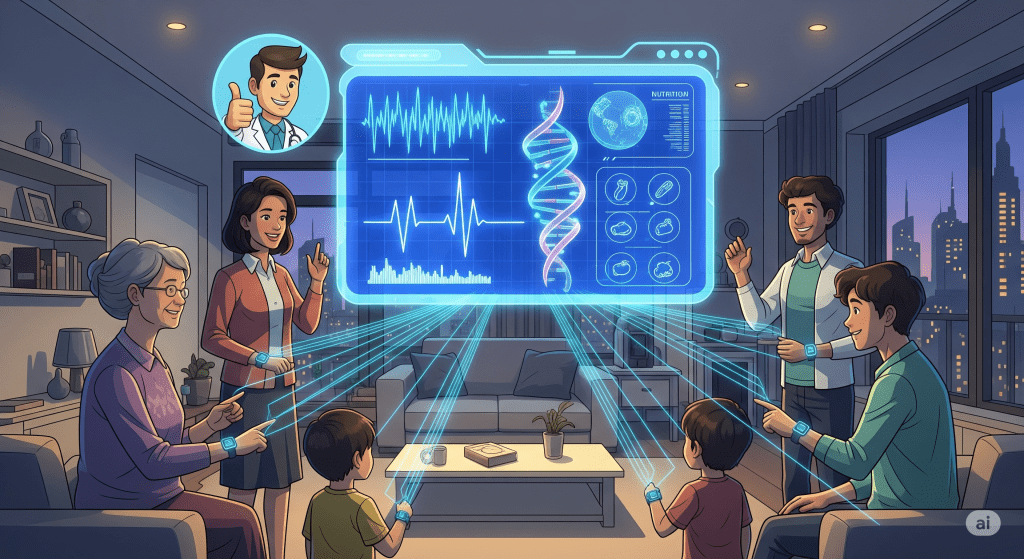
With advancements in technology, you now have unprecedented access to tools that can transform your approach to health care, making preventive measures more effective and accessible. From wearable devices that monitor your vital signs to mobile apps that provide personalized health insights, these innovations empower you to take control of your well-being. As we explore into this topic, you will discover how these technological breakthroughs are changing the landscape of preventive health care, ensuring that everyone has the opportunity to lead a healthier life.
The Evolution of Preventive Health Care
To understand how technology is transforming preventive health care, it is crucial to explore its evolution. From rudimentary practices focused solely on disease treatment, health care has gradually shifted toward a model that values proactive health management. Advances in medical research, public health initiatives, and technology have paved the way for a comprehensive approach, emphasizing early detection and lifestyle interventions to optimize well-being for everyone.
Historical Perspective
The journey of preventive health care dates back centuries, with early practices rooted in natural remedies and basic hygiene principles. While societies made progress in addressing infectious diseases, it wasn’t until the 20th century that organized public health initiatives began to emerge, fostering a collective understanding that prevention plays a vital role in improving overall health outcomes.
The Shift Towards Preventive Models
For a long time, health care focused primarily on treating illnesses, but a significant shift toward preventive models has emerged in recent years. This new perspective encourages you to take charge of your own health by prioritizing regular screenings and lifestyle choices. (In 2010, the Affordable Care Act emphasized preventive services, now covered without copays.)
The transition to preventive care models underscores the importance of personal empowerment, leveraging technology to support your health journey. Wearable devices and health apps allow you to monitor vital signs, track fitness levels, and even maintain a balanced diet. This data-driven approach not only encourages better habits but also facilitates communication with healthcare professionals, ensuring you receive tailored guidance to optimize your health and well-being. (The CDC reports that engaging in preventive care can save up to $6 billion annually in healthcare costs.)

Role of Wearable Technology
Assuming you’re looking to take charge of your health, wearable technology has emerged as a transformative tool in preventive care. With devices like smartwatches and fitness trackers, you can easily monitor various health metrics, enabling you to make informed decisions about your well-being. These compact gadgets not only track your daily activities but also provide valuable insights that can help you maintain a healthier lifestyle.
Tracking Health Metrics
Wearable technology enables you to track key health metrics, including heart rate, steps taken, and calories burned, in real-time. By continuously monitoring these metrics, you can gain a better understanding of your physical activity levels and overall health, making it easier for you to set and achieve fitness goals tailored to your personal needs.
Early Detection and Alerts
Tracking your health through wearables also enhances your ability to identify potential health issues early on. Many of these devices are equipped with advanced sensors that can detect irregularities in your vital signs, providing instant feedback and alerts.
Even more impressively, modern wearable technology has the potential to identify warning signs related to serious health issues such as heart problems or irregular blood pressure. The instant notifications you receive enable prompt action, potentially preventing complications or incidents of more severe conditions. This active monitoring can significantly enhance your overall health management strategy, ensuring you are always informed about your body’s status and can seek timely medical advice when needed.
Telehealth and Remote Monitoring
Some advancements in telehealth and remote monitoring are transforming how you access healthcare services. These technologies allow you to connect with healthcare professionals from the comfort of your home, reducing the need for in-person visits and making care more accessible than ever. You can monitor your health metrics in real-time, enabling more informed decisions regarding your care and well-being. (By adopting these technologies, you are significantly improving your healthcare experience.)
Access to Care
Beside the convenience, access to care through telehealth opens up new opportunities for those in remote areas. You can receive timely consultations without the burden of travel, bringing specialist care within reach. This is especially beneficial for individuals with mobility challenges or those living in underserved communities. (This shift towards digital healthcare means you are no longer limited by geographical boundaries.)
Managing Chronic Conditions
At the same time, telehealth plays a pivotal role in managing chronic conditions. You can easily check in with your healthcare provider, adjust treatment plans collaboratively, and receive guidance for daily management—all from your own home. This ongoing interaction helps you stay engaged and proactive in your health journey. (Integrating these technologies into your health management routine is vital for better outcomes.)
Chronic conditions require constant vigilance and tailored care plans, and telehealth ensures you have the tools needed for successful management. Utilizing remote monitoring devices, such as blood pressure cuffs and glucose meters, you can regularly update your healthcare provider with real-time data. This allows for timely adjustments to your treatment and better control over your health. Staying connected with your healthcare team is vital, as it enhances your ability to navigate the complexities of living with a chronic condition. (The decision to embrace these technologies can lead to less hospital visits and improved quality of life.)
Data Analytics in Preventive Health
Your engagement with data analytics is transforming how preventive health care is approached, enabling better identification of health risks and trends. By leveraging advanced algorithms, health professionals can examine vast amounts of data to understand individual and population health more effectively, leading to improved outcomes and proactive care strategies.
Predictive Modeling
Modeling techniques utilize data to predict health outcomes, providing insights that enable you to anticipate and manage potential health risks. These predictions can significantly influence patient care decisions by identifying at-risk populations, allowing for early intervention and prevention strategies. (Health authorities can use these insights to allocate resources more effectively.)
Personalized Health Plans
One of the most significant advancements in preventive health is the move towards personalized health plans. These plans are designed specifically for you, taking into account your unique genetic makeup, lifestyle, and health history, to provide tailored recommendations that align with your individual needs. (This approach can lead to more effective interventions and better health outcomes for individuals.)
To create a personalized health plan, health professionals analyze your individual data, including biometrics and lifestyle factors, to develop targeted strategies. These strategies may involve tailored exercise routines, nutrition plans, or regular screenings that address your specific risks. By focusing on your individual characteristics, you can benefit from enhanced preventive care, leading to improved long-term health. (Adopting personalized plans can vastly improve your chances of avoiding chronic conditions.)
The Impact of Mobile Health Apps
Not only have mobile health apps transformed your approach to preventive health care, but they also provide unprecedented access to personalized health resources. These apps empower you to monitor your well-being, access medical information, and communicate with healthcare professionals at any time, from anywhere, thereby helping you take charge of your health journey.
Health Education and Awareness
Along with better tracking of health metrics, mobile health apps serve as invaluable tools for education and awareness. They deliver *real-time information* about various health conditions, treatment options, and healthy lifestyle choices, allowing you to make informed decisions about your health and treatment strategies.
Behavioral Change and Engagement
Among the most impactful features of mobile health apps is their ability to foster behavioral change and engagement. By providing analytics and personalized feedback, these apps encourage you to establish healthier habits and track your progress to maintain motivation and commitment to your health goals. (You may find that setting reminders can greatly assist you in maintaining consistent behaviors.)
Health apps often include gamification elements that make engaging with your health enjoyable. Moreover, they can create a community of like-minded individuals, providing you with social support and accountability on your journey toward better health. This sense of community, coupled with data-driven insights, enables you to establish *long-lasting positive changes* in your lifestyle. (Investing time in these apps may prove beneficial in achieving your health objectives.)
Overcoming Barriers to Technology Adoption
Now, the integration of technology into preventive health care faces several barriers that can hinder its adoption. Your ability to access the latest health innovations may be hindered by factors such as financial constraints, a lack of digital literacy, and resistance to change among both healthcare providers and patients. It’s vital to understand these challenges to foster an environment where everyone can reap the full benefits of technological advancements in health care.
Addressing Accessibility Issues
At the forefront of overcoming barriers is the need to address accessibility issues within the health technology landscape. You must advocate for affordable solutions and supportive resources that empower individuals from diverse backgrounds. (Implementing community programs can significantly enhance access to preventive health technologies.)
Ensuring Data Privacy and Security
Behind the promise of health technology lies the imperative of ensuring data privacy and security. You should be aware of the potential risks to your personal health information when it is shared online, as breaches could lead to identity theft or unauthorized access to sensitive data.
Technology is rapidly advancing, but it also introduces significant challenges regarding data privacy. As you engage with health apps or wearable devices, it’s vital to take precautions, such as understanding privacy policies and using secure passwords. Companies must implement robust encryption methods and comply with regulations like HIPAA to protect your information effectively. By prioritizing these security measures, you can fully enjoy the benefits of health technology without compromising your personal data.
Summing up
Conclusively, technology is transforming preventive health care by offering you personalized solutions and tools for better health management. By leveraging data analytics, wearable devices, and telemedicine, you can proactively monitor your health and make informed decisions. This advancement not only empowers you to maintain a healthier lifestyle but also facilitates early detection of potential issues, ultimately enhancing your overall well-being. Embracing these technological innovations ensures that you stay ahead in your health journey, making preventive care more accessible and effective than ever before.
FAQ
Q: How is technology changing the way we monitor our health?
A: Technology plays a significant role in health monitoring through wearable devices and mobile applications that track vital signs, physical activity, and dietary habits. These tools provide real-time data to users and healthcare providers, fostering greater engagement in personal health management. Innovations like smartwatches and fitness trackers can alert users to irregular heart rates or encourage more consistent exercise, making health monitoring more accessible than ever.
Q: What role do telehealth services play in preventive care?
A: Telehealth services have expanded access to healthcare by allowing patients to consult with medical professionals remotely. This convenience encourages individuals to seek preventive care and early intervention without the constraints of travel or long wait times. By facilitating regular check-ups and consultations online, telehealth is effectively promoting proactive health measures and reducing the burden on healthcare facilities.
Q: How can artificial intelligence contribute to preventive health care?
A: Artificial intelligence (AI) is transforming preventive health care by enabling more accurate risk assessments and personalized health recommendations. AI algorithms analyze vast amounts of health data to identify patterns and predict potential health issues before they arise. By leveraging machine learning, AI can suggest tailored lifestyle changes or preventive measures, ensuring that individuals receive customized support based on their health history and lifestyle choices.
Q: What is the impact of mobile health apps on preventive health care?
A: Mobile health apps empower users to take charge of their well-being by providing tools for tracking health metrics, managing medications, and scheduling appointments. These apps often include educational resources that promote healthier lifestyle choices and awareness of preventive measures. With features like reminders and goal-setting, mobile health apps enhance adherence to health plans and encourage active participation in preventive health practices.
Q: How do advancements in genomics and personalized medicine influence preventive health care?
A: Advancements in genomics and personalized medicine allow for a more tailored approach to preventive health care by analyzing an individual’s genetic makeup. This information can reveal susceptibilities to certain diseases, enabling proactive strategies such as lifestyle modifications or targeted screenings. By incorporating genomic data into preventive care protocols, healthcare providers can enhance patient outcomes through personalized interventions that address individual health risks.

Paul Kohn MBA is a seasoned business consultant known for helping businesses maximize tax credits and incentives to fuel growth and profitability. He holds a Master’s in Business Administration and has helped numerous companies secure millions in tax credits and implement effective business strategies. He is regarded as a trusted authority for business owners seeking to optimize their savings and growth.