

Key Takeaways
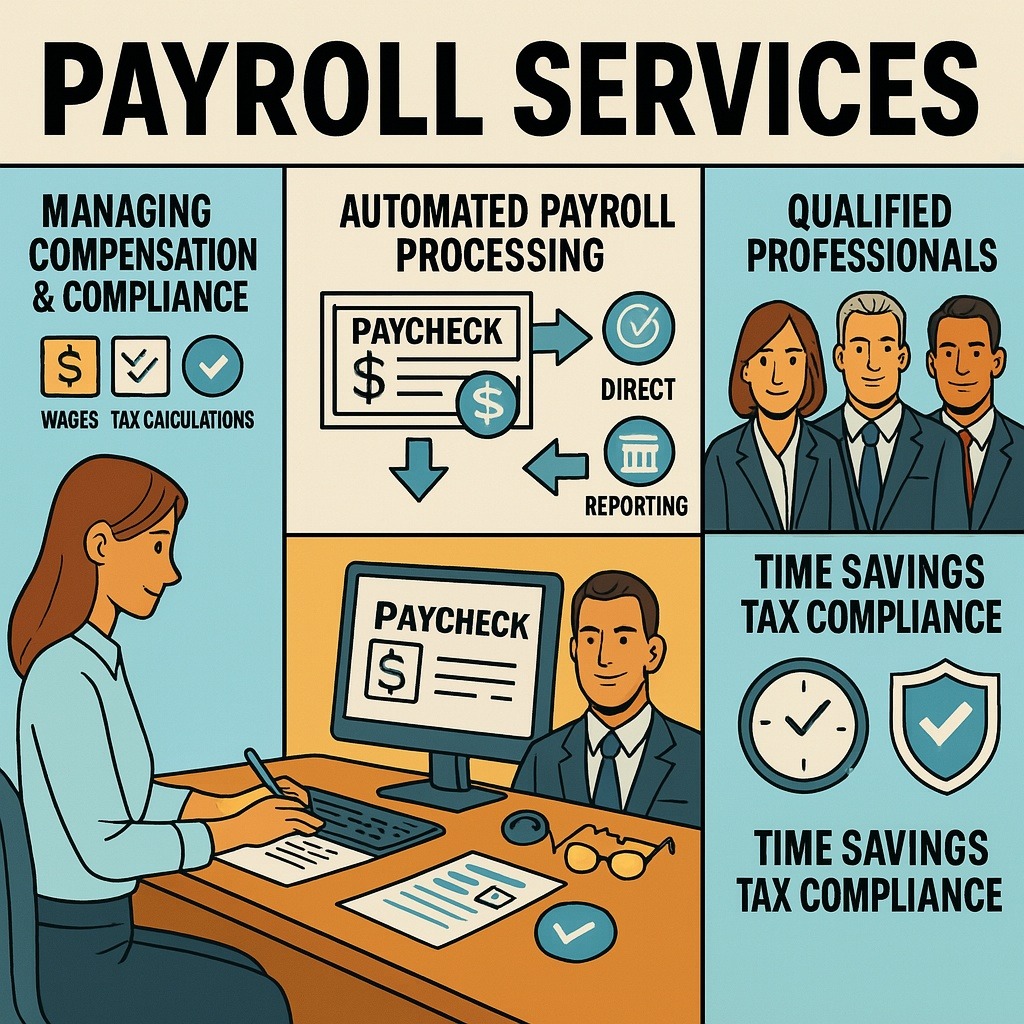
- Payroll services manage employee compensation, tax calculations, and compliance requirements for businesses of all sizes
- Professional payroll providers include specialized companies, accountants, tax attorneys, and certified payroll analysts
- These services handle wage calculations, tax withholdings, direct deposits, and regulatory reporting automatically
- Businesses save time and reduce errors by outsourcing payroll processing to qualified professionals
- Payroll services ensure compliance with federal, state, and local tax laws while protecting against costly penalties
- Different types of payroll professionals offer varying levels of expertise and service specialization
Payroll services refer to the professional management of employee compensation, including wage calculations, tax withholdings, and compliance reporting, performed by specialized companies or qualified professionals. These services enable businesses to process payroll accurately, meet all legal requirements, and save valuable time.
Understanding Payroll Services and Core Functions
Payroll services encompass all activities related to compensating employees for their work, including calculating wages, withholding taxes, processing direct deposits, and maintaining accurate records. These services handle the complex mathematical calculations required to determine gross pay, various deductions, and net pay for each employee. Professional payroll management also includes preparing and filing required tax forms, managing benefits deductions, and ensuring compliance with federal and state employment laws.
The core functions of payroll services extend beyond simple wage calculations to include comprehensive employee data management, time tracking integration, and detailed reporting capabilities. Modern payroll systems process vacation time, sick leave, overtime calculations, and various benefit deductions while maintaining precise records for audit purposes. Professional payroll processing ensures that all calculations adhere to current tax laws and employment regulations, thereby protecting businesses from costly errors and compliance issues.
Essential Components of Comprehensive Payroll Services
Comprehensive payroll services include multiple integrated components that work together to manage all aspects of employee compensation. These components include time and attendance tracking, which captures employee work hours and integrates with payroll calculations. Benefits administration ensures that health insurance premiums, retirement contributions, and other voluntary deductions are processed correctly. Tax compliance management handles federal, state, and local tax withholdings, as well as prepares required quarterly and annual tax filings.
| Payroll Service Component | Primary Function | Business Benefit | Compliance Requirement |
|---|---|---|---|
| Wage Calculation | Compute gross and net pay | Accurate employee compensation | Fair Labor Standards Act |
| Tax Withholding | Calculate and remit payroll taxes | Avoid penalties and interest | Federal and state tax codes |
| Direct Deposit | Electronic payment processing | Reduced administrative costs | Banking regulations |
| Benefits Administration | Manage employee benefit deductions | Simplified benefits management | ERISA and ACA requirements |
| Record Keeping | Maintain payroll documentation | Audit protection | Department of Labor standards |
Professional Payroll Companies and What is Payroll Services They Provide
Professional payroll companies specialize in providing comprehensive payroll management services to businesses that prefer to outsource these critical functions. These companies employ teams of payroll specialists, tax experts, and compliance professionals who stay current with changing regulations and tax laws. Major payroll service providers like ADP, Paychex, and QuickBooks Payroll offer scalable solutions that accommodate businesses from small startups to large corporations with thousands of employees.
These specialized companies offer advanced technology platforms that integrate seamlessly with existing business systems, providing features such as mobile access, employee self-service portals, and real-time reporting capabilities. Professional payroll providers also offer additional services, including human resources support, workers’ compensation administration, and employee benefits management. Outsourced payroll solutions typically include guaranteed accuracy, compliance protection, and dedicated customer support to address any payroll-related questions or issues that arise.
Technology Integration and Modern Payroll Solutions
Modern payroll service companies leverage advanced technology to streamline payroll processing and improve accuracy. Cloud-based platforms allow businesses to access payroll information from anywhere while maintaining security and data protection. These systems often integrate with time tracking software, accounting programs, and human resources management systems to create seamless workflows. Automated features include direct deposit processing, tax filing, and employee communications, reducing the administrative burden on business owners and managers.
Scalability and Customization Options
Professional payroll companies provide scalable solutions that can expand in line with businesses as they add employees and grow their operations. These services typically include customizable features that accommodate different pay structures, union requirements, and industry-specific needs. Multi-state payroll processing capabilities help businesses with employees in various locations manage varying state and local tax requirements. Advanced reporting features provide insights into labor costs, tax liabilities, and employee compensation trends that support strategic business planning.

Payroll Accountants and Their Role in What is Payroll Services
Payroll accountants are certified professionals who specialize in managing payroll functions for businesses that prefer to keep these services in-house or work with individual practitioners. These professionals possess deep knowledge of accounting principles, tax regulations, and employment laws that govern payroll processing. Payroll accountants typically hold accounting degrees and may have additional certifications such as Certified Payroll Professional (CPP) or Fundamental Payroll Certification (FPC) that demonstrate their expertise in payroll management.
These accounting professionals handle all aspects of payroll processing including wage calculations, tax withholdings, and regulatory reporting while maintaining detailed records for audit purposes. Payroll accountants also provide valuable advisory services, helping businesses understand their payroll tax obligations and implement efficient payroll procedures. Certified payroll professionals stay current with changing tax laws and regulations through continuing education requirements, ensuring their clients receive accurate and compliant payroll services.
Educational Requirements and Professional Certifications
Payroll accountants typically possess bachelor’s degrees in accounting, business administration, or related fields, along with specialized training in payroll processing and tax law. Many professionals pursue additional certifications through organizations like the American Payroll Association, which offers comprehensive training programs and certification examinations. These certifications require ongoing continuing education to maintain current knowledge of evolving payroll regulations and best practices. Professional development ensures payroll accountants can provide expert guidance on complex payroll issues and compliance requirements.
Services Provided by Independent Payroll Accountants
Independent payroll accountants offer personalized services tailored to specific business needs, often providing more flexible and customized solutions than large payroll companies. These professionals can work on-site or remotely, depending on client preferences and requirements. Services typically include complete payroll processing, tax preparation and filing, benefits administration, and compliance consulting. Many payroll accountants also provide year-end services such as W-2 preparation, 1099 processing, and annual tax reconciliation to ensure accurate reporting and compliance.
Payroll Tax Attorneys and Legal Aspects of What is Payroll Services
Payroll tax attorneys specialize in the complex legal and regulatory aspects of payroll processing, with a particular focus on tax compliance and dispute resolution. These legal professionals possess expertise in federal and state tax codes, employment law, and regulatory requirements that govern payroll operations. Payroll tax attorneys frequently work with businesses that face audits, penalty assessments, or complex compliance issues, which require specialized legal expertise and representation.
These attorneys provide crucial services when businesses encounter payroll tax problems such as misclassification issues, unpaid tax liabilities, or disputes with tax authorities. They also offer proactive consulting services to help businesses structure their payroll operations in compliance with current laws and regulations. Specialized tax attorneys can negotiate with tax authorities on behalf of clients, develop compliance programs, and provide legal representation during audits or enforcement actions.
Complex Compliance Issues and Legal Representation
Payroll tax attorneys handle sophisticated legal matters including employee classification disputes, multi-state tax obligations, and international payroll compliance for businesses with global operations. These professionals understand the intersection of tax law, labor law, and employment regulations that affect payroll processing. They provide expert guidance on issues such as determining whether an individual is an independent contractor or an employee, prevailing wage requirements, and specialized industry regulations. Legal representation becomes essential when businesses face significant penalties or need to negotiate settlement agreements with tax authorities.
Preventive Legal Services and Risk Management
Many payroll tax attorneys offer preventive services designed to help businesses avoid compliance problems before they occur. These services include policy development, procedure reviews, and training programs for internal payroll staff. Attorneys can conduct compliance audits to identify potential issues and recommend corrective actions. Risk management services help businesses understand their legal obligations and implement systems to ensure ongoing compliance with changing regulations.
Payroll Analysts and Data Management in What is Payroll Services
Payroll analysts are specialized professionals who focus on the data analysis and reporting aspects of payroll operations, providing insights that support strategic business decisions. These professionals combine analytical skills with payroll expertise to examine labor costs, identify trends, and develop recommendations for improving payroll efficiency. Payroll analysts often work for large organizations or consulting firms, helping businesses optimize their payroll processes and control labor costs.
These analytical professionals use advanced software tools and statistical methods to examine payroll data, identify patterns, and generate reports that inform management decisions. Payroll analysts also play crucial roles in system implementations, helping businesses select and configure payroll software that meets their specific needs. Data-driven payroll analysis provides valuable insights into employee compensation trends, overtime patterns, and labor cost projections that support budget planning and operational improvements.
Advanced Analytics and Reporting Capabilities
Payroll analysts utilize sophisticated analytical tools to transform raw payroll data into actionable business intelligence. These professionals create custom reports, dashboards, and visualizations that help management understand labor costs and employee compensation patterns. Advanced analytics can identify opportunities for cost savings, highlight compliance risks, and support strategic workforce planning initiatives. Predictive modeling capabilities help businesses forecast future labor costs and plan for seasonal variations in staffing needs.
System Integration and Process Optimization
Payroll analysts often serve as project managers and technical experts during payroll system implementations and upgrades. These professionals understand both the technical capabilities of payroll software and the business requirements that drive payroll operations. They work with IT departments, vendors, and business stakeholders to ensure successful system deployments. Process optimization services help businesses streamline their payroll workflows, reduce processing time, and improve accuracy through better procedures and controls.
Choosing the Right Professional for What is Payroll Services Needs
Selecting the appropriate payroll service provider depends on several factors including business size, complexity of payroll requirements, budget considerations, and desired level of service. Small businesses with straightforward payroll needs may benefit from automated payroll software or basic service providers, while larger organizations with complex requirements may need full-service providers or specialized professionals. The decision should consider factors such as the number of employees, pay frequency, benefits complexity, and multi-state operations.
Businesses should evaluate potential payroll service providers based on their expertise, technology capabilities, customer service quality, and pricing structure. Important considerations include data security measures, backup procedures, and disaster recovery capabilities that protect sensitive payroll information. Professional service selection should also consider the provider’s track record for accuracy, compliance, and customer satisfaction, as payroll errors can have serious consequences for both businesses and employees.
Cost-Benefit Analysis and Service Evaluation
Conducting a thorough cost-benefit analysis helps businesses determine whether outsourcing payroll services provides better value than maintaining internal capabilities. This analysis should consider direct costs such as service fees, as well as indirect benefits including time savings, error reduction, and compliance protection. Businesses should also evaluate the opportunity costs of internal staff time spent on payroll processing versus other productive activities. Service level agreements and performance guarantees provide additional protection and ensure service quality meets business expectations.
| Professional Type | Best For | Key Expertise | Typical Cost Range |
|---|---|---|---|
| Payroll Companies | Most businesses seeking full service | Complete payroll processing | $25-$150 per employee/month |
| Payroll Accountants | Businesses wanting personalized service | Accounting and tax compliance | $500-$2,000 per month |
| Payroll Tax Attorneys | Complex legal and compliance issues | Tax law and legal representation | $200-$500 per hour |
| Payroll Analysts | Large organizations needing insights | Data analysis and optimization | $60,000-$90,000 salary |
Benefits of Professional What is Payroll Services Management
Professional payroll services provide numerous benefits that extend beyond simple time savings to include improved accuracy, enhanced compliance, and better employee satisfaction. These services eliminate the risk of calculation errors that can lead to employee dissatisfaction and regulatory problems. Professional providers maintain current knowledge of changing tax laws and regulations, ensuring businesses remain compliant without dedicating internal resources to staying informed about complex regulatory requirements.
The financial benefits of professional payroll services often exceed their costs through improved efficiency, reduced errors, and penalty avoidance. Businesses can redirect internal resources from payroll processing to revenue-generating activities, improving overall productivity and profitability. Professional payroll management also provides peace of mind through guaranteed accuracy, compliance protection, and expert support when questions or issues arise. Employee satisfaction typically improves when payroll processing is handled professionally, with consistent pay dates and accurate calculations.
Risk Mitigation and Compliance Protection
Professional payroll services provide significant protection against compliance risks and potential penalties that can result from payroll errors or regulatory violations. These services include automatic updates for changing tax rates, new regulations, and reporting requirements that businesses might otherwise miss. Professional providers typically offer error guarantees and penalty protection, assuming financial responsibility for mistakes that occur due to service provider errors. This protection provides valuable insurance against costly compliance failures that can significantly impact business operations.
Scalability and Growth Support
Professional payroll services provide scalability that supports business growth without requiring additional internal infrastructure or expertise. These services can easily accommodate new employees, additional locations, and changing business requirements without disrupting operations. Growth support includes assistance with expanding into new states, managing complex benefit structures, and handling increased regulatory complexity that often accompanies business expansion. Professional providers offer the expertise and resources needed to support successful business growth while maintaining payroll accuracy and compliance.
Conclusion
Understanding what is payroll services and who performs them helps businesses make informed decisions about managing this critical business function. Professional payroll services encompass comprehensive employee compensation management performed by specialized companies, certified accountants, tax attorneys, and analytical professionals who bring unique expertise to different aspects of payroll operations. These services provide significant benefits including improved accuracy, compliance protection, time savings, and employee satisfaction while supporting business growth and operational efficiency. The choice of payroll service provider should align with specific business needs, complexity requirements, and budget considerations to ensure optimal results. Whether businesses choose large payroll companies, independent professionals, or specialized experts, professional payroll services represent valuable investments that protect against compliance risks while enabling businesses to focus on their core operations and strategic objectives.
What is Payroll Services FAQs
How much do payroll services typically cost for small businesses?
Payroll services typically cost small businesses between $25 to $150 per employee per month, depending on the complexity of services needed and the provider selected. Basic payroll processing costs less, while comprehensive services including benefits administration and HR support cost more.
Can businesses handle payroll internally instead of using professional services?
Businesses can handle payroll internally instead of using professional services, but this requires significant expertise in tax laws, compliance requirements, and payroll calculations. Internal payroll management demands ongoing training and system maintenance that many businesses find more expensive than outsourcing.
What happens if payroll service providers make mistakes on employee paychecks?
When payroll service providers make mistakes on employee paychecks, reputable companies typically guarantee accuracy and will correct errors at no charge while covering any resulting penalties or fees. Most professional providers offer error protection and assume responsibility for mistakes caused by their processing errors.
How do payroll services ensure the security of sensitive employee information?
Payroll services ensure security of sensitive employee information through encryption, secure data centers, access controls, and compliance with privacy regulations like GDPR and state privacy laws. Professional providers invest heavily in cybersecurity measures and undergo regular security audits to protect client data.
What credentials should businesses look for when choosing payroll professionals?
Businesses should look for payroll professionals with relevant certifications such as Certified Payroll Professional (CPP), Fundamental Payroll Certification (FPC), or accounting degrees with payroll specialization. Professional credentials demonstrate expertise and commitment to staying current with changing regulations and best practices.