
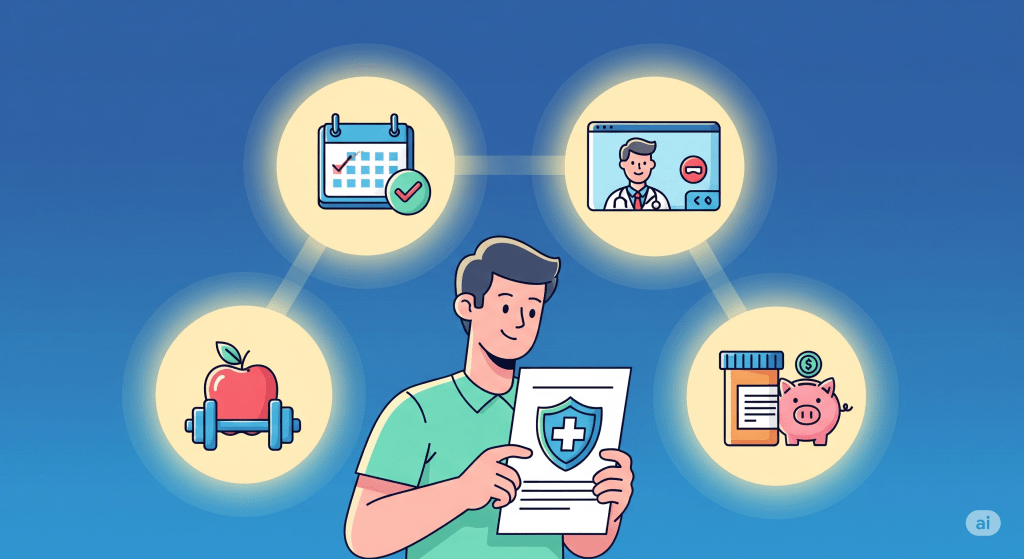
Many people overlook preventive health care as a cost-effective way to maintain their wellbeing. By understanding how to access and maximize your benefits, you can significantly reduce your overall health care expenses. This blog post will provide you with practical tips on how to utilize screenings, vaccinations, and wellness check-ups to stay healthy without incurring significant expenses. Equip yourself with knowledge to navigate your health care options effectively, so you can enjoy a healthier, happier life.
Understanding Preventive Health Care
The concept of preventive health care focuses on measures taken to prevent illnesses before they occur, rather than treating them afterward. This proactive approach encompasses a wide range of services, including vaccinations, screenings, and lifestyle coaching, designed to enhance your overall health and quality of life. By prioritizing prevention, you can identify potential health issues early and take effective action to address them.
What is Preventive Health Care?
At its core, preventive health care includes various services and practices designed to keep you healthy and prevent diseases from developing. This can involve routine check-ups, vaccinations, and screenings that help identify risks and promote healthy lifestyle choices, allowing you to take control of your well-being.
Importance of Preventive Services
Health is wealth, and preventive services play an crucial role in maintaining it. By utilizing preventive care, you can enhance your overall well-being, reduce the likelihood of severe health complications, and potentially lower your healthcare costs over time. These services empower you to make informed decisions about your health, leading to the early detection of issues and an improved quality of life.
The advantages of preventive services are significant. By engaging in routine screenings and health assessments, you catch health problems before they escalate into more serious conditions. This not only improves your long-term health outcomes but also reduces the need for expensive treatments down the road. Additionally, adopting a preventive mindset encourages you to adopt healthier habits, resulting in increased vitality and a longer, more fulfilling life. Prioritizing prevention means investing in your health and well-being now, making it easier to enjoy life fully.

Insurance Coverage for Preventive Care
Now is the time to explore how your insurance can help you take proactive steps towards better health. Many plans offer coverage for preventive services, which can save you money and improve overall wellness. By taking advantage of these benefits, you can stay ahead of potential health issues and maintain a healthier lifestyle.
Types of Insurance Plans
Now, understanding the different types of insurance plans is crucial for maximizing your coverage for preventive care. The main types include:
- Health Maintenance Organization (HMO)
- Preferred Provider Organization (PPO)
- Exclusive Provider Organization (EPO)
- Point of Service (POS)
- High Deductible Health Plan (HDHP)
After knowing which plan you have, you can better utilize your preventive care benefits.
| Insurance Plan Type | Key Features |
| HMO | Lower costs, requires referrals |
| PPO | More flexibility, higher premiums |
| EPO | Network only, no out-of-network benefits |
| POS | Combination of HMO and PPO features |
| HDHP | High deductible, often paired with HSAs |
Benefits of Understanding Your Policy
To make the most of your preventive care, it is essential to understand your health insurance policy thoroughly. This knowledge enables you to utilize the benefits available to you and can lead to significant savings over time. (Understanding these details can impact your choices about healthcare providers.)
Careful examination of your policy can reveal covered services, co-pays, and limitations, allowing you to plan your healthcare needs effectively. Ideally, the clearer you are about your insurance, the better decisions you can make regarding your preventive health care. (This clarity can drastically affect your health outcomes.)
Maximizing Preventive Health Benefits
While accessing preventive health benefits can feel overwhelming, you can maximize your coverage by understanding your insurance plan and scheduling necessary appointments. Familiarizing yourself with what’s included—like tests and screenings—can enhance your health while saving you money. (Make sure to review your benefits carefully to avoid unexpected costs.)
Schedule Regular Checkups
Regular checkups are vital to maintaining your health as they enable your healthcare provider to monitor changes and identify potential issues early on. These appointments are typically covered by your insurance, making them an excellent opportunity for preventative care. (Prioritize your schedule to ensure you don’t miss these important visits.)
Utilize Recommended Screenings
Health screenings are designed to detect conditions before they become serious, enabling you to take proactive charge of your health. Utilizing recommended screenings, such as mammograms or cholesterol tests, can lead to early intervention and better overall outcomes. (Stay informed about guidelines to determine which screenings are appropriate for you.)
Another vital aspect of preventive care is being proactive about recommended screenings. These tests can uncover health issues that may not have obvious symptoms, ensuring you maintain peak well-being. Not only can regular screenings save lives, but they can also lead to significant cost savings by preventing advanced health issues. (Staying on top of these screenings will empower you to make informed decisions about your healthcare.)
Cost-Effective Preventive Health Strategies
Continue exploring affordable preventive health strategies that can help you maintain optimal wellness without straining your budget. Look for opportunities in your community to access low-cost screenings, vaccination clinics, and informative workshops that empower you to take charge of your health. (Making informed choices in preventive care is a fundamental step towards long-term health.)
Community Resources
Around your community, various resources can significantly enhance your preventive health measures. Local health departments, non-profit organizations, and community centers often provide free or low-cost health services, including health fairs or nutrition classes. Utilizing these resources not only saves you money but also connects you with professionals who are dedicated to your well-being.
Government Programs and Initiatives
The government offers numerous programs designed to enhance public health by making preventive care more accessible. These may include subsidized screenings, vaccination programs, and educational resources that inform you about healthy living. You can take advantage of these initiatives to access valuable services that support disease prevention and promote a healthier lifestyle.
Indeed, utilizing government programs can provide you with important health resources at a significantly lower market cost. Programs like the Affordable Care Act mandate certain preventive services to be provided without copayment, ensuring you receive important screenings and vaccinations. Moreover, programs targeting low-income families often include subsidized health insurance options, opening doors to preventive care that might otherwise be financially unattainable. Staying informed about these initiatives is crucial for maintaining your health and well-being in an affordable manner.
Healthy Lifestyle Choices
Once again, adopting a healthy lifestyle can have a significant impact on your overall well-being and reduce healthcare costs. By making wise choices regarding your diet, exercise, and mental health, you can ensure that you are not just treating illnesses but preventing them. Small changes in your daily routine can lead to substantial health benefits over time.
Importance of Nutrition
At the core of any healthy lifestyle is good nutrition. A balanced diet rich in fruits, vegetables, whole grains, and lean proteins equips your body with the essential nutrients it needs to function optimally. (Focus on loading your plate with colorful, nutrient-dense foods.) This approach not only maintains your energy levels but also plays a key role in disease prevention.
Physical Activity and Preventive Care
Preventive care thrives on regular physical activity. Engaging in moderate exercise for at least 150 minutes per week can strengthen your heart, enhance your mood, and help manage your weight. (Establish a workout routine that you enjoy to stay consistent.) Incorporating various activities, such as walking, cycling, or swimming, can keep your exercise regimen both exciting and effective.
Participating in regular physical activity can dramatically lower your risk of chronic diseases, such as diabetes, heart disease, and obesity. It also improves your mental health, boosting your mood and reducing anxiety and depression. Setting specific fitness goals and tracking your progress can help maintain your motivation and commitment to a healthier lifestyle, further enhancing your preventive healthcare efforts.
Staying Informed about Health Resources
To maximize your benefits from preventive healthcare, it’s essential to stay informed about available health resources. This means being proactive in seeking out programs, services, and initiatives that can aid your well-being. Utilize online platforms, local health departments, and community organizations to stay updated on health screenings, vaccinations, and wellness events that can enhance your health journey.
Reliable Information Sources
Reliable sources of health information can significantly influence your decisions regarding your well-being. (Choosing the right source can help you avoid misinformation and make informed health choices.) Look for information from trusted organizations such as the CDC, WHO, and local health departments. These organizations provide credible data and resources that can help you better understand your health needs and options.
Engaging with Health Professionals
Behind every effective preventive health strategy is a solid relationship with health professionals. Engaging regularly with doctors, nurses, and specialists can provide you with personalized health advice and keep you informed about the latest preventive measures available. This interaction allows for timely assessments and modifications to your preventive health plan, ensuring that you utilize all available resources efficiently.
Further, establishing a strong rapport with your health professionals enables you to address any concerns proactively. Consistent interaction fosters open dialogues, allowing you to ask questions and receive clarification on important topics. This engagement fosters trust, allowing your healthcare team to tailor preventive strategies specifically to your needs. By doing so, you’ll be better informed about important health screenings, immunizations, and lifestyle changes that can enhance your long-term health and well-being.
To wrap up
By implementing these strategies, you can maximize your benefits and make the most of your affordable preventive healthcare options. Make it a priority to stay informed about your health plan, utilize preventive services, and schedule regular check-ups. Taking proactive steps toward your health will not only enhance your well-being but also reduce long-term medical costs. Your health matters, and leveraging these resources effectively empowers you to lead a healthier life.
FAQ
Q: What is preventive health care and why is it important?
A: Preventive health care involves measures taken to prevent diseases rather than treating them once they occur. This includes regular check-ups, screenings for conditions like diabetes or cancer, vaccinations, and counseling on lifestyle changes. It is important because it can lead to early detection of health issues, healthier lifestyles, and ultimately, reduced healthcare costs over time.
Q: How can I maximize my benefits from preventive health care services?
A: To maximize your benefits, familiarize yourself with your insurance plan’s coverage for preventive services. Schedule annual wellness visits and recommended screenings. Utilize available health resources, like telehealth services or wellness programs, and keep track of deadlines for vaccinations and other preventive measures to take full advantage of your health benefits.
Q: What types of preventive services are commonly covered by insurance plans?
A: Most insurance plans cover a variety of preventive services at no additional cost to you. Commonly covered services include annual physical exams, vaccinations, screenings (such as cholesterol checks, blood pressure screenings, mammograms, and colonoscopies), and counseling for tobacco cessation and diet. Always check your specific insurance policy for details on coverage.
Q: Are there any costs associated with preventive health care visits?
A: Generally, preventive health care visits should be covered by insurance without co-pays or deductibles, provided they are performed by in-network providers. However, costs can vary based on your specific insurance policy and network agreements. It’s advisable to clarify any potential costs with your insurance provider prior to your visit.
Q: What steps can I take if my insurance does not cover a specific preventive service?
A: If your insurance does not cover a specific preventive service, consider contacting your provider to discuss alternative options for care or potential payment plans. You may also want to inquire about community health programs that offer services at reduced costs. Additionally, look into health savings accounts (HSAs) or flexible spending accounts (FSAs) that may help cover out-of-pocket expenses.

Paul Kohn MBA is a seasoned business consultant known for helping businesses maximize tax credits and incentives to fuel growth and profitability. He holds a Master’s in Business Administration and has helped numerous companies secure millions in tax credits and implement effective business strategies. He is regarded as a trusted authority for business owners seeking to optimize their savings and growth.