

Key Takeaways
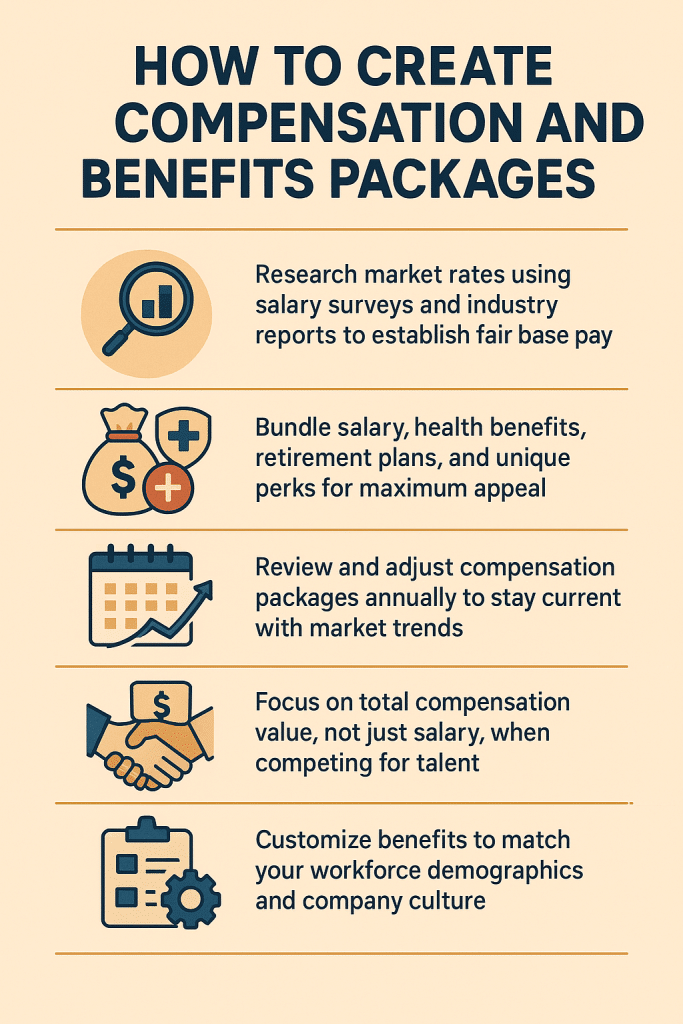
- Research market rates using salary surveys and industry reports to establish fair base pay
- Bundle salary, health benefits, retirement plans, and unique perks for maximum appeal
- Review and adjust compensation packages annually to stay current with market trends
- Focus on total compensation value, not just salary, when competing for talent
- Customize benefits to match your workforce demographics and company culture
Creating competitive compensation means offering salary and benefits packages that match or exceed what other companies pay for similar roles in your industry and location. This approach helps you attract skilled workers and keep your current team happy and productive.
Understanding What Makes Compensation Truly Competitive
Competitive compensation goes far beyond just offering a good salary. It’s about creating a complete package that makes employees feel valued and secure. Think of it like building a house – the salary is your foundation, but the benefits, perks, and growth opportunities are what make it a place people want to call home.
The most effective compensation packages address four key areas: financial security, work-life balance, career growth, and personal well-being. Companies that excel in these areas often see turnover rates drop by 25-40% compared to those offering basic packages. This isn’t just about spending more money – it’s about spending it wisely on what matters most to your team.
| Employee Age Group | Top Priority Benefits | Secondary Priorities |
|---|---|---|
| 22-30 years | Health insurance, paid time off | Professional development, flexible work |
| 31-45 years | Health insurance, retirement matching | Family leave, life insurance |
| 46+ years | Comprehensive health coverage, retirement plans | Disability insurance, flexible schedules |
Base Salary: Getting the Foundation Right
Your base salary sets the tone for everything else. Research shows that salaries within 5-10% of the market rate are generally acceptable to candidates, but going below this range can immediately eliminate you from consideration. Utilize resources such as Glassdoor, PayScale, and industry-specific salary surveys to determine what similar companies are paying. Remember to factor in your local cost of living, as a $70,000 salary in Cleveland goes much further than the same amount in San Francisco.
Benefits That Actually Matter
Health insurance remains the most valued benefit across all age groups, but the specific needs vary greatly. Younger employees often prioritize lower premiums and coverage for preventive care, while older workers value comprehensive coverage and lower deductibles. The key is offering multiple plan options that let employees choose what works best for their situation. Don’t forget about dental and vision coverage – these smaller benefits often tip the scales for candidates choosing between similar offers.

Building Your Competitive Compensation Strategy
Creating a winning compensation strategy requires careful planning and ongoing attention to detail. Begin by conducting a comprehensive market analysis of your industry and the relevant geographic area. This means looking beyond just salary data to understand the full scope of what your competitors offer. Many companies make the mistake of focusing solely on base pay while overlooking the value of comprehensive benefits packages.
Your strategy should align with your company’s financial capacity and growth plans. A startup might not match the 401(k) contributions of a Fortune 500 company, but it can offer equity, flexible work arrangements, or unique professional development opportunities that larger companies can’t provide. The goal is to maximize the perceived value of your package within your budget constraints.
Market Research and Benchmarking
Effective market research goes beyond quick online searches. Subscribe to industry-specific salary surveys from organizations like WorldatWork or the Society for Human Resource Management. These provide detailed breakdowns by role, experience level, company size, and geographic region. Additionally, network with other business owners and HR professionals in your area to get real-world insights into what’s working in your local market.
Total Compensation Approach
Smart employers consider total compensation value rather than individual components. This means calculating the dollar value of all benefits, perks, and opportunities you provide. For example, a comprehensive health plan might be worth $15,000 annually to an employee, while flexible work arrangements could save them $3,000 in commuting costs. When you present job offers, always include a breakdown showing the total value of the package, not just the salary figure.
Essential Components of Competitive Benefits Packages
Building a benefits package that stands out requires understanding both legal requirements and employee desires. Federal law requires certain benefits, such as Social Security and unemployment insurance, but the competitive advantages come from going above and beyond these minimums. The most attractive packages combine traditional benefits with modern perks that reflect changing work preferences.
According to workplace benefits expert Sarah Johnson from the Employee Benefits Research Institute, “The companies succeeding in today’s talent market aren’t necessarily spending more on benefits – they’re spending smarter by focusing on what their specific workforce values most.”
Health and Wellness Benefits
Health benefits remain the cornerstone of any competitive package; however, modern employees expect more than just basic medical coverage. Consider offering wellness programs that include gym memberships, mental health support, and incentives for preventive care. These programs often pay for themselves through reduced healthcare costs and improved productivity. Companies with robust wellness programs experience 25% lower employee turnover and 12% higher productivity rates compared to those with only basic coverage.
Time Off and Work-Life Balance
Paid time off policies have evolved significantly in recent years. While the traditional two-week vacation may have been standard in the past, competitive packages now often include three to four weeks of vacation for new employees, as well as separate sick leave and personal days. Some companies are experimenting with unlimited PTO policies, though these require careful management to ensure employees actually take time off.
Retirement and Financial Security
A strong 401(k) plan with company matching remains highly valued, especially as employees become increasingly aware of the importance of retirement savings. The most competitive packages offer at least a 3-4% company match with immediate vesting. Consider adding financial wellness programs that include retirement planning seminars and one-on-one financial counseling to help employees maximize the benefits.
| Traditional Benefits | Modern Competitive Benefits |
|---|---|
| Basic health insurance | Multiple health plan options + wellness programs |
| 2 weeks vacation | 3-4 weeks vacation + flexible PTO |
| Basic 401(k) | 401(k) with 4%+ match + financial counseling |
| Standard work hours | Flexible schedules + remote work options |
Modern Perks That Make a Difference
Today’s competitive landscape demands thinking beyond traditional benefits. The most successful companies are adding perks that address the changing nature of work and employee expectations. These don’t always require significant financial investment but can dramatically improve your appeal to top candidates.
Professional development opportunities consistently rank among the most desired perks across all age groups. This includes funding for conferences, online courses, certification programs, and internal mentorship opportunities. Employees who receive regular professional development opportunities are 34% more likely to remain with their current employer in the long term.
Flexible Work Arrangements
The shift toward flexible work isn’t just a trend; it has become a permanent expectation for many employees. This includes options for remote work, flexible hours, compressed work weeks, or hybrid arrangements. The key is establishing clear policies that outline expectations while giving employees the freedom to manage their work-life integration effectively.
Technology and Equipment Support
Providing quality technology and equipment demonstrates to employees that you’re invested in their success. This includes up-to-date computers, software licenses, ergonomic office equipment, and stipends for home office setups. Many companies now offer technology refresh cycles every 2-3 years and provide allowances for personal use of company equipment.
Implementation and Communication Strategies
Even the best compensation package won’t be effective if employees don’t understand its value. Create clear, easy-to-understand materials that explain each benefit and its worth. Many companies produce annual benefits statements that show the total dollar value of each employee’s package, helping workers appreciate the full scope of their compensation.
Implementation should be phased and well-communicated. Start with the most impactful changes that fit your budget, then add additional components as your company grows. Regular employee surveys can help you understand which benefits are most valued and where to focus future improvements.
Measuring Success and Making Adjustments
Track key metrics like employee turnover, time-to-fill open positions, and employee satisfaction scores to measure the effectiveness of your compensation strategy. Successful companies review and adjust their packages annually, staying responsive to changing market conditions and employee needs. This isn’t a “set it and forget it” process – it requires ongoing attention and refinement.
Case Studies in Competitive Compensation Success
A regional marketing firm in Denver increased its employee retention by 45% after implementing a comprehensive benefits overhaul that included flexible work options, enhanced health coverage, and professional development stipends totaling less than 8% of its annual payroll. Similarly, a manufacturing company in Ohio reduced recruitment costs by 30% by offering apprenticeship programs and tuition reimbursement that appealed to both entry-level workers and experienced professionals seeking skill advancement.
Creating competitive compensation packages is an investment in your company’s future success. The time and resources you spend developing these packages will pay dividends through improved employee satisfaction, reduced turnover, and your ability to attract the best talent in your industry. Remember that ‘competitive’ doesn’t always mean most expensive – it means most valuable to the employees you want to attract and retain.
Competitive Compensation FAQs
What percentage of revenue should companies spend on total compensation?
Most successful companies allocate between 25% and 40% of their total revenue to employee compensation, which encompasses both salary and benefits. This percentage varies by industry, with service-based businesses typically on the higher end and manufacturing companies often on the lower end of this range.
How often should compensation packages be reviewed and updated?
Compensation packages should be reviewed at least annually, with market salary adjustments made as needed throughout the year. Companies in rapidly changing industries or competitive markets may need to review their packages twice a year to stay current with market trends.
Can small businesses create competitive compensation without breaking the bank?
Yes, small businesses can compete by focusing on high-value, low-cost benefits, such as flexible work arrangements, professional development opportunities, and unique perks that larger companies can’t offer. The key is understanding what your target employees value most and creating packages accordingly.
What’s the difference between competitive compensation and market-rate compensation?
Market-rate compensation matches the average pay for similar positions in your area and industry, while competitive compensation aims to meet or exceed these rates to attract top talent. Competitive packages often include additional benefits and perks that go beyond basic market rates.
How do you communicate the value of benefits to employees effectively?
Create annual benefits statements that clearly display the dollar value of each benefit. Utilize visual aids and infographics to explain complex benefits, and hold regular information sessions where employees can ask questions. Clear, ongoing communication helps employees understand and appreciate the total value of their compensation.

Paul Kohn MBA is a seasoned business consultant known for helping businesses maximize tax credits and incentives to fuel growth and profitability. He holds a Master’s in Business Administration and has helped numerous companies secure millions in tax credits and implement effective business strategies. He is regarded as a trusted authority for business owners seeking to optimize their savings and growth.