

Key Takeaways
- Renegotiate rent and lease terms every 2-3 years to secure better rates and flexible terms
- Switch to usage-based insurance policies and bundle coverage to cut premiums by 15-30%
- Automate payroll and accounting tasks to reduce administrative staff costs by up to 40%
- Move to cloud-based software subscriptions instead of buying expensive licenses upfront
- Audit utility bills monthly and implement energy-saving measures to lower costs by 20-25%
- Review all contracts annually and eliminate unused services or negotiate better terms
Reducing fixed costs in a business requires a systematic approach to renegotiating contracts, eliminating waste, and adopting more flexible cost structures, which can lower overhead by 20-40% within the first year.
Understanding Fixed Costs and Why They Matter
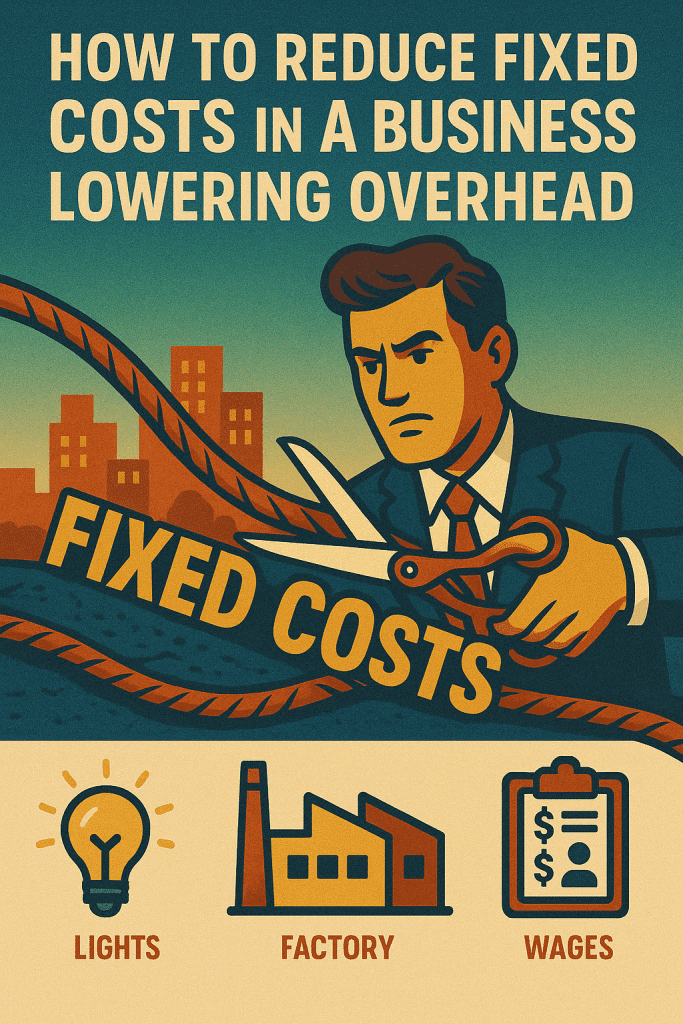
Fixed costs are expenses that remain constant each month, regardless of the volume of sales. These include rent, insurance, loan payments, and salaries. Unlike variable costs that change with sales, fixed costs eat into your profits every single day.
Smart business owners know that every dollar saved in fixed costs goes straight to your bottom line. When you cut $1,000 from your monthly rent, that’s $12,000 more profit each year. Most businesses can reduce their fixed costs by 20-30% without hurting operations.
The Real Impact of High Fixed Costs
High fixed costs create a dangerous trap for businesses. When sales drop, you still owe the same amount for rent, insurance, and other fixed expenses. This is why many profitable businesses fail during tough times. Companies with lower fixed costs tend to survive downturns better and grow faster during periods of economic growth.
| Cost Reduction Strategy | Potential Savings | Best For | Time to Implement |
|---|---|---|---|
| Rent Renegotiation | 10-25% | Established tenants with good payment history | 2-4 weeks |
| Insurance Bundle/Review | 15-30% | All business sizes | 1-2 weeks |
| Software Subscriptions Audit | 20-50% | Tech-heavy businesses | 1 week |
| Utility Optimization | 20-25% | Businesses with physical locations | 1-3 months |
| Automation Implementation | 25-40% | Service-based businesses | 1-6 months |
How to Reduce Fixed Costs Through Smart Rent and Lease Management
Rent is often your biggest fixed cost. Many business owners believe they’re stuck with their current rate, but that’s not the case. Landlords want to keep good tenants more than you might think.
Begin by researching the costs of similar spaces in your area. Check online listings and call commercial real estate agents. Armed with this data, approach your landlord 60 to 90 days before your lease expires. Present the current market rates and request a reduction or better terms.
Negotiation Strategies That Work
The best time to negotiate is when you’ve been a reliable tenant for at least two years. Emphasize your payment history and any improvements you’ve made to the space. Offer to sign a longer lease in exchange for lower monthly rent. This gives the landlord security while reducing your costs.
Consider asking for rent-free months instead of a lower rate if the landlord is unwilling to budge. Two rent-free months per year equals an 18% reduction in rent. You can also negotiate percentage rent clauses where you pay less when sales are down.
There are also other options, such as cost segregation, that can accelerate depreciation if you own the property.

How to Reduce Fixed Costs with Insurance Optimization
Business insurance is required, but you don’t have to overpay. Most companies review their insurance once a year, but smart business owners shop around every six months.
Bundle your general liability, property, and workers’ compensation insurance with one carrier for automatic discounts. Install security systems, fire alarms, and safety equipment to qualify for lower premiums. Many insurers offer discounts of 10-15% for these protective measures.
Usage-Based Insurance Models
Traditional insurance charges fixed premiums regardless of your actual risk. Usage-based insurance adjusts your costs based on real data. For example, delivery businesses can utilize telematics to monitor safe driving practices and potentially qualify for lower auto insurance rates.
Professional liability insurance can also be usage-based. If you have fewer clients or lower revenue months, your premium will adjust downward. This flexible approach can cut insurance costs by 20-35% compared to fixed-rate policies.
How to Reduce Fixed Costs Through Technology and Automation
Technology may seem expensive upfront, but it replaces expensive fixed costs, such as salaries and office space. Cloud-based software eliminates the need for expensive servers and IT staff.
Automating routine tasks can reduce your need for full-time administrative staff by 30-50%. Use automated payroll systems, digital bookkeeping, and customer service chatbots to handle basic tasks.
Software Subscription Audits
Most businesses pay for software they don’t use. Conduct a monthly audit of all software subscriptions. Cancel anything that hasn’t been used in 30 days. Many companies find they’re paying for multiple tools that do the same thing.
Negotiate annual contracts for software you use regularly. Annual payments often cost 20-30% less than monthly subscriptions. For expensive software, ask about startup discounts or nonprofit rates if you qualify.
How to Reduce Fixed Costs in Utilities and Energy
Energy costs are rising, but you have more control than you think. Switch to LED lighting to cut electricity costs by 60-80%. Install programmable thermostats to avoid heating and cooling empty buildings.
Many states offer energy audits for small businesses at no cost. These audits identify specific ways to cut energy use. Simple changes like weather stripping and better insulation can reduce heating and cooling costs by 25%.
| Fixed Cost vs Variable Cost | Fixed Cost Approach | Variable Cost Alternative |
|---|---|---|
| Office Space | Long-term lease | Coworking space or remote work |
| Full-time Employees | Salary + benefits | Contractors or part-time staff |
| Equipment Purchase | Buy outright | Lease or rent as needed |
| Software Licenses | Perpetual licenses | Pay-per-use subscriptions |
Alternative Energy and Tax Credits
Solar panels and energy-efficient equipment are eligible for federal tax credits of up to 30%. These credits directly reduce your tax bill dollar for dollar. The energy savings, combined with tax credits, often pay for the equipment within 3-5 years.
Case study: A restaurant in Texas installed solar panels and energy-efficient kitchen equipment, reducing their monthly utility bill from $2,400 to $800 while claiming $15,000 in federal tax credits.
How to Reduce Fixed Costs by Converting to Variable Expenses
The best way to reduce fixed costs is to eliminate them entirely. Convert fixed costs to variable costs that change with your business volume. This strategy protects you during slow periods and maximizes profits during busy times.
Replace full-time salaries with commission-based pay or project fees. Use freelancers instead of permanent employees for specialized tasks. This approach can reduce your payroll costs by 30-40% while giving you access to expert skills only when needed.
Flexible Workspace Solutions
Traditional office leases lock you into expensive fixed costs for years. Coworking spaces and flexible office solutions let you pay only for what you use. Many businesses find they can cut office costs by 50-70% with flexible workspace arrangements.
Consider hybrid models where core staff work remotely and you rent meeting rooms or temporary office space only when needed. This approach works especially well for consulting, marketing, and professional service businesses.
How to Reduce Fixed Costs Through Strategic Contract Management
Every contract is an opportunity to reduce fixed costs. Review all contracts annually and identify opportunities to add flexibility or reduce rates. Many vendors will negotiate better terms to keep your business.
Bundle services with the same vendor for volume discounts. Combine your internet, phone, and security services with one provider to save 15-25%. Inquire about prepayment discounts if you have a stable cash flow.
Contract Renegotiation Timeline
Start renegotiating contracts 90 days before they expire. This gives you time to research alternatives and negotiate without pressure. Create a calendar of all contract renewal dates to ensure you never miss an opportunity to reduce costs.
Case study: A marketing agency reduced its fixed costs by $3,200 per month by renegotiating its software contracts, switching to a flexible office space, and bundling its insurance policies with one provider.
Implementation Timeline and Priority System
Start with the easiest wins that require no upfront investment. Audit your software subscriptions and cancel unused services this week. Review your insurance policies and get quotes from three other providers this month.
Focus on high-impact changes first – rent and payroll typically offer the biggest savings opportunities. Tackle these larger projects over the next 3-6 months while implementing smaller changes immediately.
Measuring Your Success
Track your fixed cost reduction progress on a monthly basis. Calculate your fixed costs as a percentage of revenue. Healthy businesses typically have fixed costs between 20-40% of revenue. If yours are higher, prioritize the strategies in this guide.
Document every change and its impact. This information helps you make informed decisions and demonstrates to lenders and investors that you manage costs effectively.
Conclusion
Reducing fixed costs in your business is one of the most effective ways to improve profitability and achieve financial stability. By systematically reviewing your rent, insurance, technology, utilities, and contracts, you can typically reduce overhead by 20-40% within the first year.
Start with quick wins, such as software audits and insurance shopping, then tackle larger projects, like rent renegotiation and automation. Remember, every dollar you save in fixed costs goes directly to your bottom line, making your business stronger and more profitable. Take action on at least three strategies from this guide within the next 30 days to start seeing immediate results.
How to Reduce Fixed Costs in a Business FAQs
What percentage of revenue should fixed costs represent in a healthy business?
Fixed costs should typically represent 20-40% of your total revenue in a healthy business. If your fixed costs exceed 50% of revenue, you should prioritize reducing these expenses to improve profitability and financial stability.
How often should I review and renegotiate my business fixed costs?
You should review your fixed costs monthly and renegotiate contracts annually or 90 days before renewal. This regular review helps you identify cost creep and ensures you’re getting the best rates available in the market.
Can reducing fixed costs hurt my business operations or customer service?
Reducing fixed costs through smart strategies like renegotiation, automation, and efficiency improvements typically enhances rather than hurts operations. The key is to eliminate waste and inefficiency, not essential services that directly impact customers.
What’s the difference between reducing fixed costs and cutting variable costs?
Fixed cost reduction focuses on expenses that remain constant regardless of sales volume, like rent and insurance, while variable cost reduction affects expenses that change with business activity. Fixed cost reduction provides more predictable and sustainable savings.
How long does it typically take to see results from fixed cost reduction efforts?
Simple changes like canceling unused software or renegotiating contracts can show results within 30-60 days. Larger initiatives like automation or relocating may take 3-6 months to fully implement and show measurable savings.

Paul Kohn MBA is a seasoned business consultant known for helping businesses maximize tax credits and incentives to fuel growth and profitability. He holds a Master’s in Business Administration and has helped numerous companies secure millions in tax credits and implement effective business strategies. He is regarded as a trusted authority for business owners seeking to optimize their savings and growth.